










Kakadu is a amazing place, famous for its landscapes and culture. This UNESCO World Heritage site has four seasons and each one brings a different experience. While the dry season is the most popular time to visit, the wet season or tropical summer is a side of Kakadu few get to see. From green landscapes to waterfalls and wetlands, this time of year turns the park into a paradise. Despite the rain and possibility of tropical storms the wet season is a great time to see the park’s natural beauty, cultural sites and wildlife.
Contents
Wet Season Kakadu
The wet season is from November to April and Kakadu is at its most dramatic. The tropical rains fill the rivers and floodplains and the park is a lush green paradise for wildlife. The wetlands and stone country with its dramatic rock formations and deep plunge pools are stunning. But be prepared for road closures and changes in road access due to flooding. Plan your trip carefully and check with the Bowali Visitors Centre or Kakadu Tourism for information on accessible sites and conditions.
Waterfalls
Kakadu’s waterfalls are a must see in the wet season. With the monsoon rains the waterfalls are thundering spectacles of nature. Road access may be limited but viewing from a scenic flight is a unique experience.
Jim Jim Falls
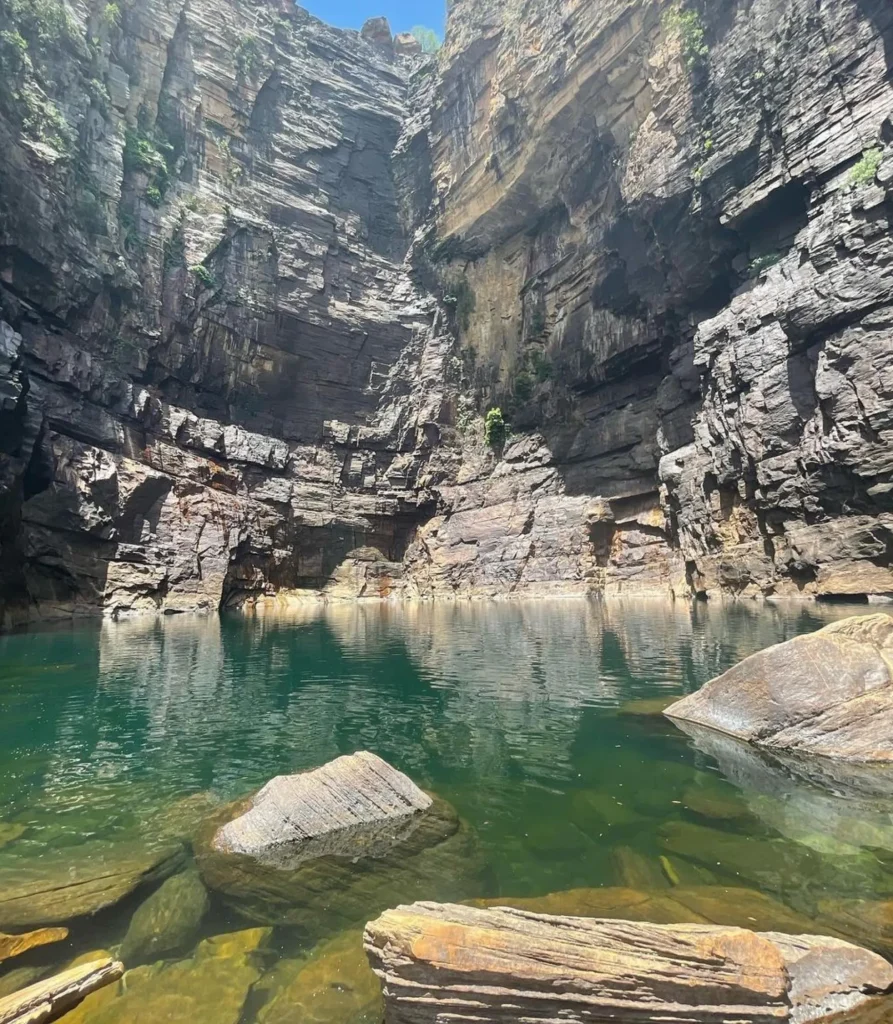
Jim Jim Falls is one of Kakadu’s most famous attractions and is stunning in the wet season. The waterfall slows to a trickle in the dry season but in the wet season it’s a powerful torrent plunging 200m into a deep plunge pool. The access roads are usually closed due to flooding but a scenic flight gives you a bird’s eye view of the falls surrounded by the lush green rainforest. It’s a must see on any Kakadu bucket list.
Twin Falls
Twin Falls is near Jim Jim Falls and is similar. The twin waterfalls are impressive as they cascade over the rugged sandstone cliffs of Arnhem Land. In the wet season the only way to see Twin Falls is from the air as the gravel roads to the falls are usually underwater. Helicopter Kakadu Tour give you a 360 degree view of the falls and the water crashing into the gorge below.
Wetland and River Cruises
Kakadu’s wetlands are teeming with life during the wet season. River cruises are the best way to experience these thriving ecosystems and get up close and personal with the park’s wildlife and birdlife.
Yellow Water Billabong Cruise
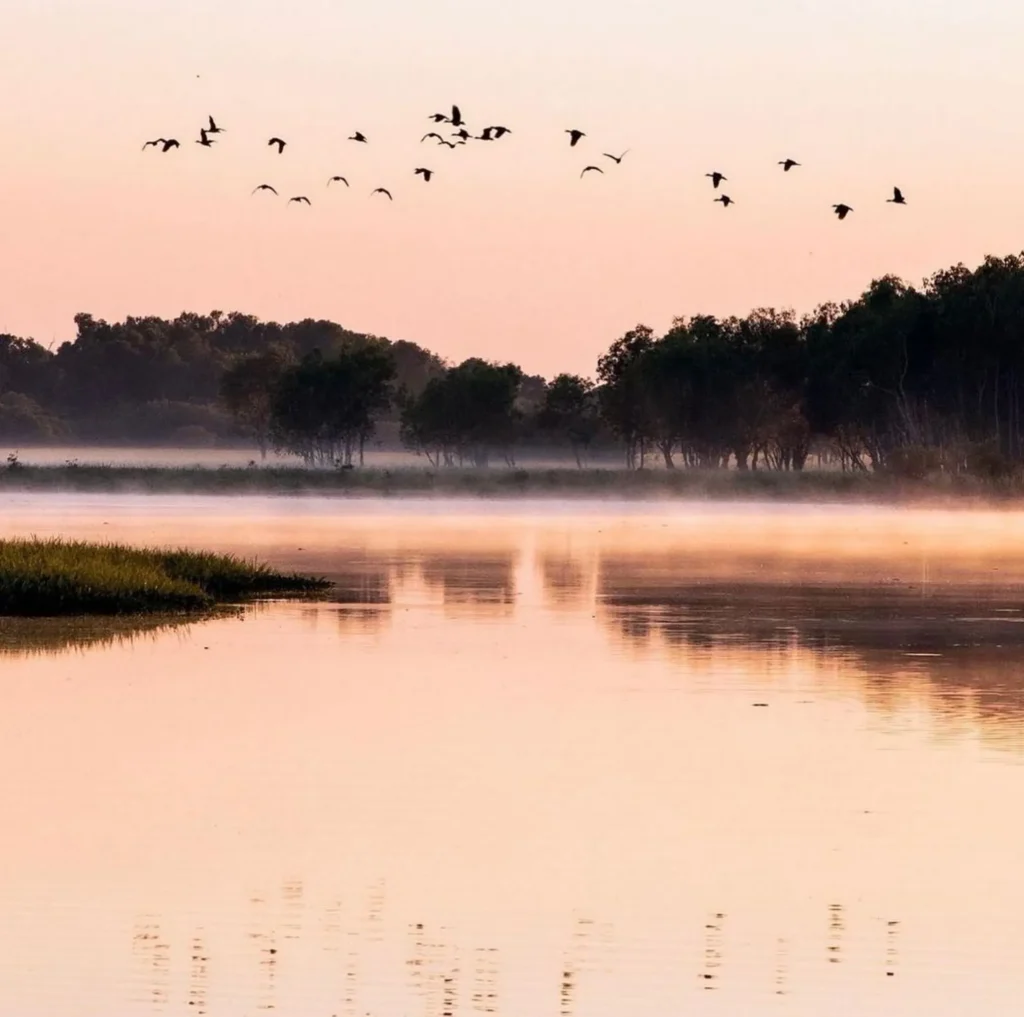
The Yellow Water Billabong near Cooinda Lodge is one of Kakadu’s most iconic wetlands. The Yellow Water Cruises are a great way to explore this area, with estuarine crocodiles, breasted wood swallows and other birdlife. The wet season is the best time for these cruises as the billabong is full and the surrounding floodplains are green. Whether you do a sunrise or sunset cruise you will see amazing wildlife and landscapes.
South Alligator River Cruise
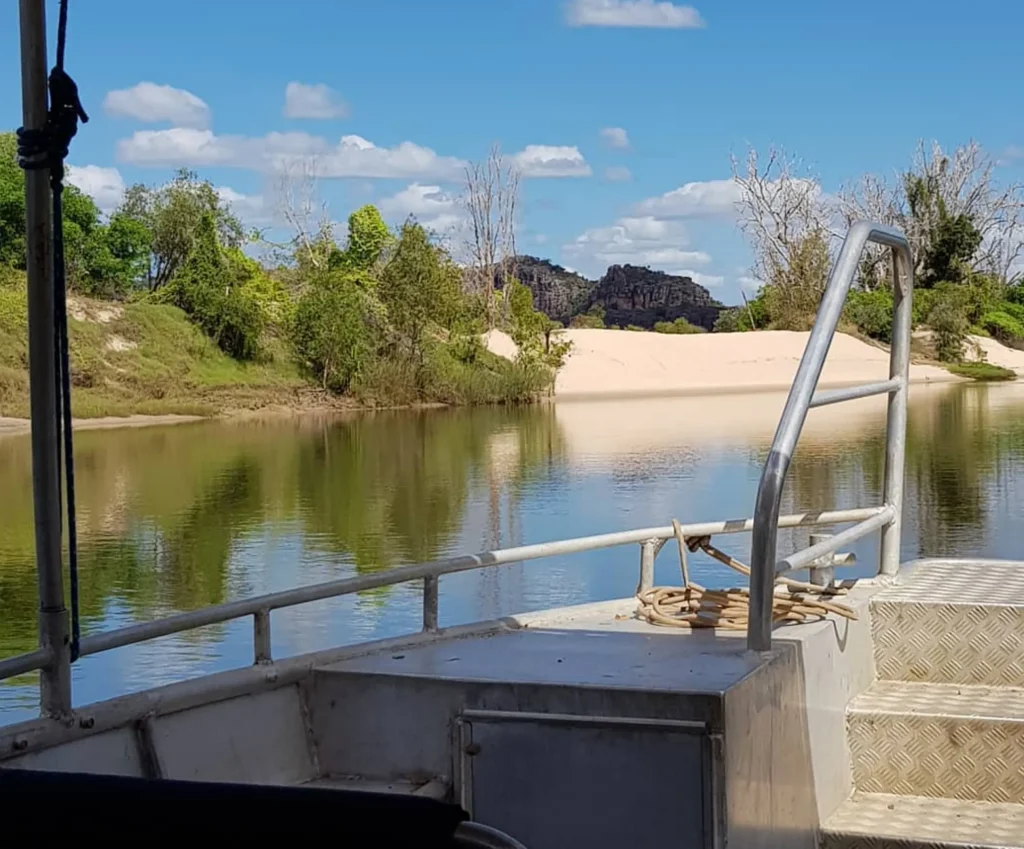
The South Alligator River runs through Kakadu’s stone country and gives you a glimpse into the park’s many ecosystems. Cruises on this river are an intimate experience with Kakadu’s wildlife, including saltwater crocodiles and many bird species. The riverbanks are alive with animal life so this is a must do for wildlife lovers.
Aboriginal Cultural Experiences
Kakadu is not just a natural wonder but a cultural treasure trove. The wet season is a great time to learn about the traditional culture of the Indigenous people who have lived here for thousands of years.
Cultural Tours with Traditional Owners
Join a Cultural Kakadu Tours with traditional owners and get an in depth understanding of the Aboriginal culture and heritage of the region. These tours give you the opportunity to learn about traditional ways of life, bush tucker and Dreamtime stories. The knowledge shared by the Aboriginal people on these tours will enhance your experience of Kakadu’s natural and cultural landscapes.
Rock Art Sites
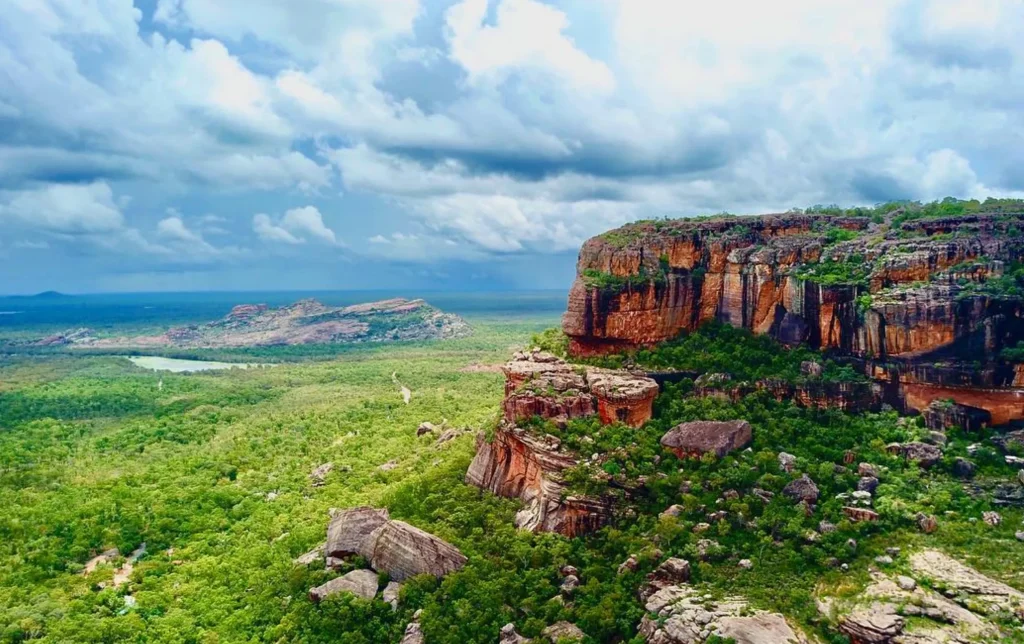
Kakadu has some of the oldest Aboriginal rock art sites in the world. During the wet season the rock art galleries at Nourlangie Rock and Ubirr are even more spectacular as the surrounding landscape is green. These ancient shelters with paintings that tell stories of the Dreamtime and daily life are a window into the history of the Indigenous people. Visiting these sites with a guide will give you valuable context and a deeper understanding of the art and the culture it represents.
Floodplain Flights
The Kakadu floodplains are best seen from the air. Scenic flights over the park will give you a view of the dramatic landscapes from the escarpments to the wetlands.
Helicopter and Plane Tours
Helicopter and plane tours get you to Kakadu’s most remote and beautiful areas, Jim Jim Falls, Twin Falls and the floodplains of Arnhem Land. These flights give you stunning views of the park’s flooded landscapes and you can see the intricate patterns of the rivers and streams as they wind through the green country. Great time to take some amazing photos and see just how big Kakadu is.
Bird Watching and Wildlife Spotting
The wet season is birdwatcher’s paradise, Kakadu’s wetlands and forests are filled with migratory birds and other wildlife. The abundance of food and water means this is the peak time for animal activity.
Migratory Birds
Kakadu is a birdlife haven, especially in the wet season. The wetlands attract thousands of migratory birds, magpie goose, great egret and rainbow bee-eater. This is the perfect time to see these birds as well as resident birds like black-necked stork and jabiru. The different habitats, flooded grasslands to open woodlands, offer many birdwatching opportunities.
Crocodile Spotting
The rise in water levels in the wet season brings crocodiles closer to the surface so they are easier to see in the rivers and billabongs. These ancient creatures can be seen basking on the banks or swimming silently through the water. While it’s a great sight, remember to respect these powerful animals and keep a safe distance.
Bushwalking and Nature Walks
The wet season can limit access to some of Kakadu’s longer walks but there are still many short walks and boardwalks to get out and about in the park.
Boardwalks and Short Trails
The Gubara Pools Walk is a great way to experience Kakadu’s rainforest. This walk leads to a series of secluded swimming holes, perfect for a cool dip in the green country. Other accessible sites are the boardwalk at Mamukala Wetlands, great views of the floodplains and a good spot for birdwatching.
Photography
The wet season is a photographer’s paradise. The colours, the skies and the wildlife are perfect for great photos.
Landscapes
Kakadu’s sandstone country with its cliffs and greenery is a photographer’s paradise. The light and shadow on the rock formations, combined with the green landscapes and blue skies is endless opportunities for landscape photography. Sunrise and sunset is the best time to capture the park.
Wildlife
With so much wildlife including birds, reptiles and mammals the wet season is the best time for wildlife photography. Whether you’re photographing a croc slipping into the water or a bird of prey flying overhead Kakadu has endless opportunities to capture the magic of nature.
Wet Season Travel Tips
Traveling in Kakadu during the wet season requires planning and awareness of the conditions.
Road Closures and Access
Roads can be closed during the wet season due to flooding. Check with the Bowali Visitors Centre or the Kakadu Tourism website before you go. Gunlom Falls and many other popular sites may be closed. Always carry water and be prepared to change your plans.
Weather Warning
The wet season is hot, humid and has light rain and afternoon thunderstorms. Be prepared for sudden changes in the weather and always carry a rain jacket and sun protection. Temperatures are high so hydration is key. When out and about be aware of your fitness level and choose trails and activities that suit you.
Activity Table
Below is a table of the best wet season activities in Kakadu National Park.
| Activity | Description | Best Time to Visit | Accessibility |
|---|---|---|---|
| Jim Jim Falls | Spectacular waterfall viewed best from the air. | December – April | Scenic flights only |
| Twin Falls | Dual waterfalls cascading down the escarpment. | December – April | Scenic flights only |
| Yellow Water Billabong Cruise | Cruise through wetlands teeming with wildlife. | Sunrise and sunset | Accessible by boat |
| South Alligator River Cruise | Explore pristine wetlands rich in birdlife. | All day | Accessible by boat |
| Cultural Tours | Learn about Indigenous heritage from traditional owners. | All year | Guided tours only |
| Scenic Flights | Aerial views of Kakadu’s floodplains and waterfalls. | All year | Helicopter or plane |
| Bird Watching | Spot a variety of migratory and resident bird species. | December – April | Wetland boardwalks |
| Bushwalking | Short trails and boardwalks through lush landscapes. | All year | Limited trails open |
Conclusion
The wet season in Kakadu is all about renewal and colour. Yes, the road closures and afternoon showers can be a challenge but the rewards are huge. From thundering waterfalls and wetlands to cultural experiences and wildlife encounters Kakadu is an adventure like no other in the tropics. With some planning and respect for the park and its heritage you can experience Kakadu at its most wild and wonderful.
FAQ
Is the wet season a good time to visit Kakadu National Park?
Yes, the wet season is a great time to book Kakadu National Park Tour if you want to see the park’s landscapes and wildlife at their best. Some areas may be closed due to flooding but the greenery and waterfalls are perfect for scenic flights and river cruises.
Can I see all the waterfalls during the wet season?
No, most waterfalls including Jim Jim Falls and Twin Falls are not accessible by road during the wet season due to the rain and road closures. But you can see them from the air on a scenic flight which will give you a bird’s eye view of the waterfalls in full flow.
What to bring for the wet season?
Lightweight, breathable clothing, sturdy shoes, insect repellent, sun protection and a good waterproof jacket. Also bring plenty of water, a map or GPS and a camera with a waterproof cover to capture the afternoon storms and the green landscapes.
Do I need a special permit to visit Kakadu?
Yes, all visitors to Kakadu National Park need to purchase a park pass which can be bought online or at the Bowali Visitors Centre. The pass gives you access to the park’s main attractions and helps to protect the park’s natural and cultural heritage.
What are the cultural experiences in Kakadu during the wet season?
Cultural tours with traditional owners are available all year and are a must do to gain an insight into the ancient culture of Kakadu’s Indigenous people. Visit rock art galleries at Nourlangie Rock and do a guided tour with a traditional custodian.