







When the question pops up – “What are the symptoms of poor blood circulation in the face?” I give my clients a little bit of background information: healthy blood flow is one of those quiet, unsung heroes that’s behind glowing skin. I’ve been a therapist for 18+ years now – from the posh parts of Mayfair all the way down to my own little haven, The Facial Hub in Brisbane – and I’ve seen time and time again just how beautifully the skin responds when we get the blood supply flowing back to its surface vessels. Sevine Forster’s article on the topic brings a nice clinical perspective, a wellness angle, & a very human one as well.
One thing I always try to reassure my clients about is that a lot of these symptoms can clear up pretty quickly with the right sort of support – especially if the treatments at The Facial Hub are tailored to circulation and skin vitality.
If your face looks a bit tired, uneven, or just slower to snap back into shape, your circulatory system may be quietly screaming for some attention. Let’s have a gentle look at the signs.
Contents
Why Healthy Skin Depends on Strong Microcirculation
Your facial skin relies on a bunch of teeny weeny little vessels to do all the hard work of circulating oxygen, nutrients and all the other important stuff your cells need. But when circulation starts to slow – and it can be slowed down by all sorts of things like stress, getting older, stepping outside on cold days, or just general wear and tear on our overall health – the skin just can’t function at its best. I always sort of try to break it down in a way that makes sense during consultations at The Facial Hub – like even a tiny bit of a change in blood pressure, especially something as common as high blood pressure, can make a big difference to how well those tiny little blood vessels are working.
Living in a place like Brisbane, where the temperature can swing wildly – like it did this week – can really make a difference to microcirculation than most people would even think about.
Common Signs Your Facial Circulation Needs Support
These are the gentle nudges from your skin that it’s crying out for a bit of extra love, nourishment, and just a bit more movement beneath the surface.
Dull, Lifeless or “Greyish” Skin Tone
Dullness is often one of the first signs that something’s not quite right with the blood flow. Without a strong, even supply of blood doing its thing, skin just loses that lovely glow it used to have. During treatments – especially things like face sculpting at The Facial Hub – I’ve had clients tell me their skin looks “back to normal” once circulation’s sorted out.
And it’s not just diet – although that can have an impact too – but things like reduced movement or going on diets that are just too high in things like saturated fats can start to affect circulation long before you even notice the symptoms on your skin.
Puffiness Around the Eyes and Jawline
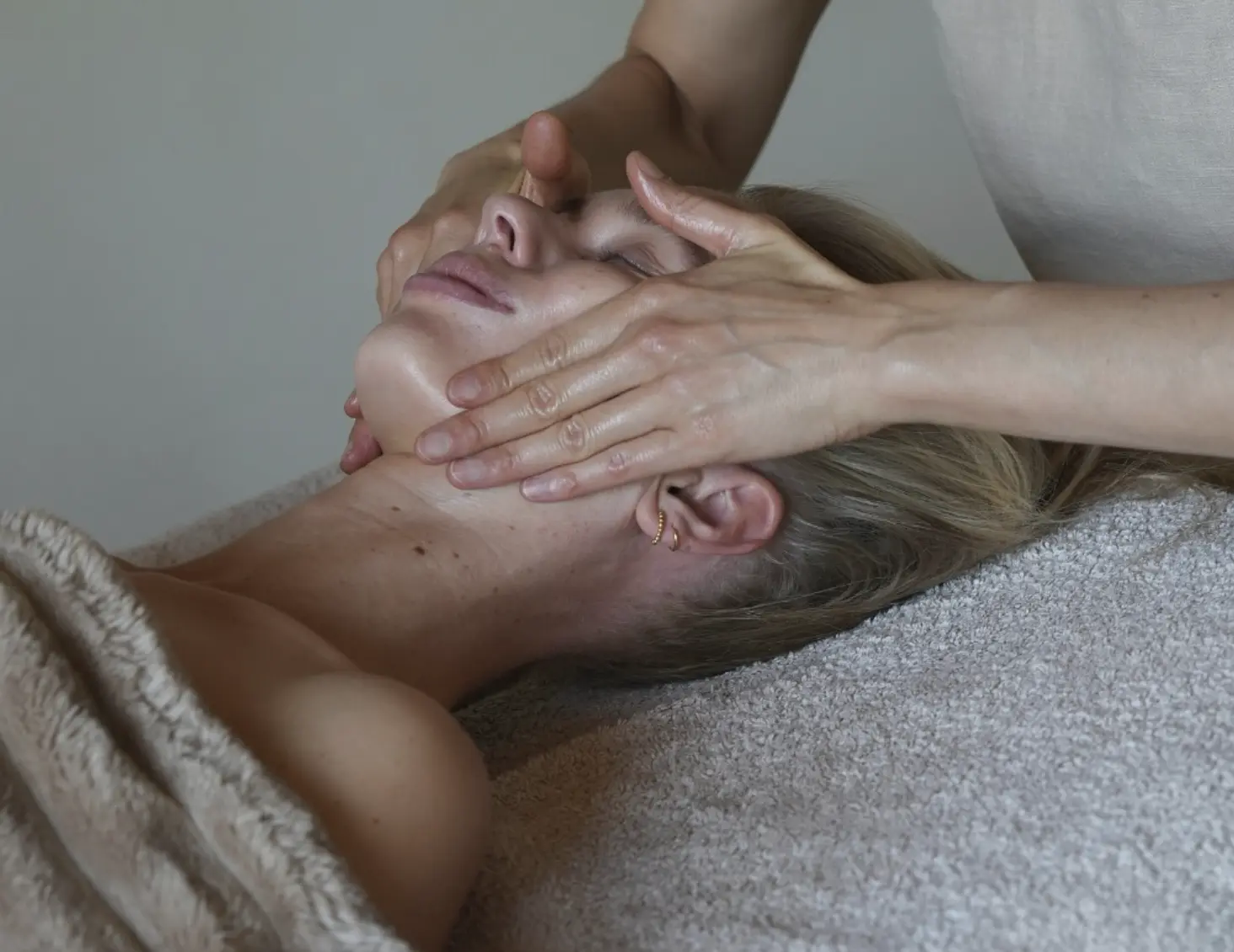
Puffiness is often tied to lymphatic stagnation, but sluggish blood vessels play a pretty big part. When your circulation slows down, fluid just doesn’t move through the system like it should, leaving that heavy, puffy look beneath the surface.
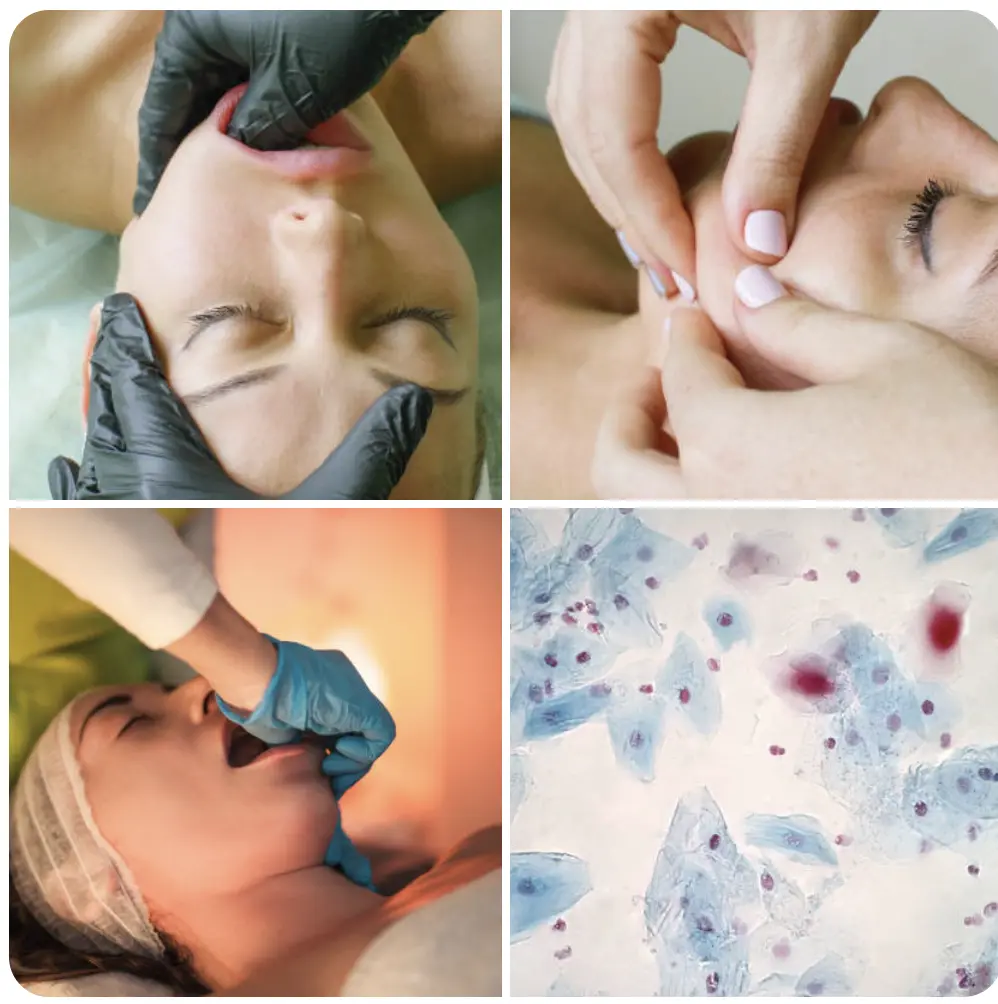
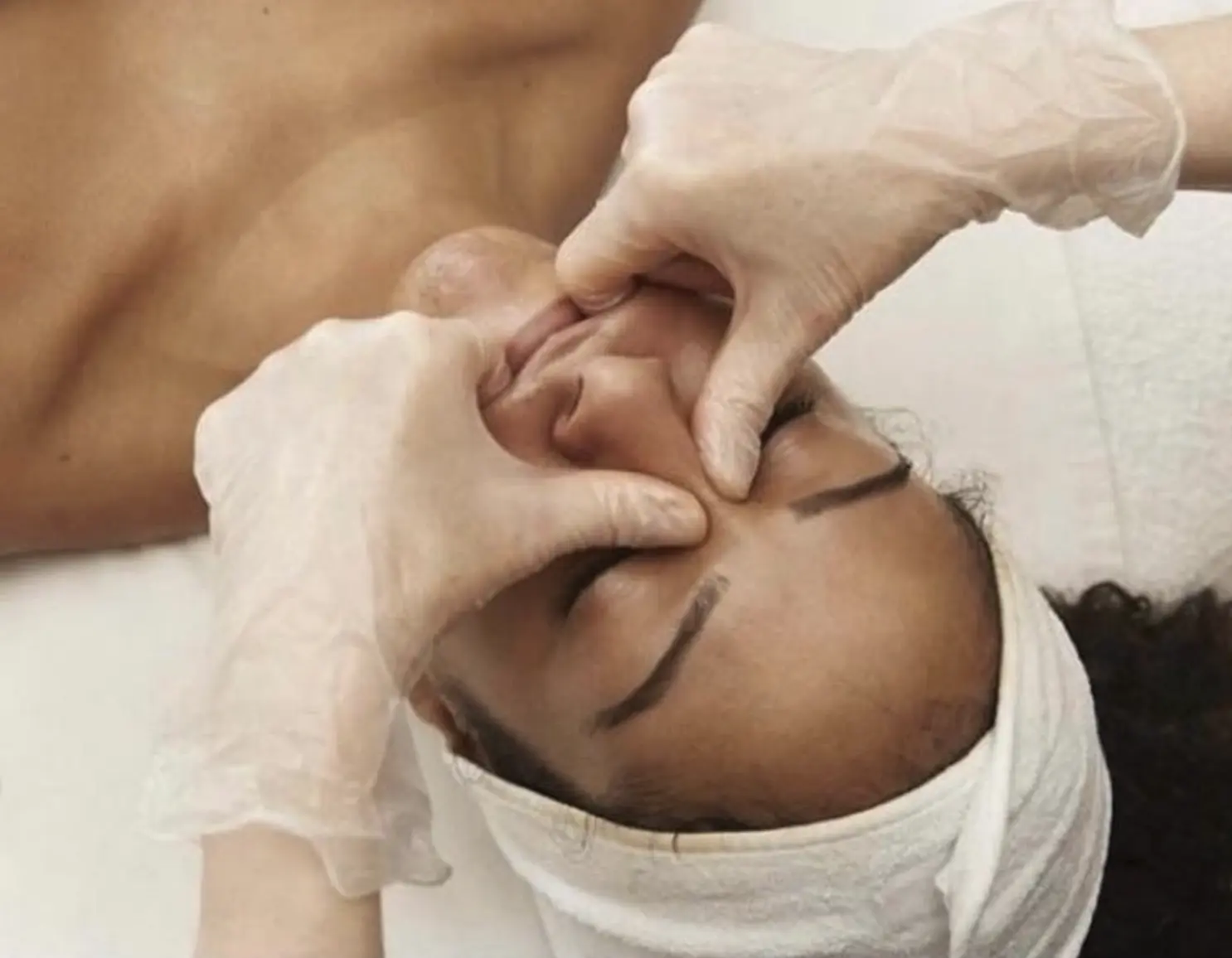
That’s one of the reasons I get asked for buccal massage at The Facial Hub so often – it’s all about that deeper release and improved microcirculation. Lymphatic work, gua sha, or even just a bit of dry brushing can go a long way too – even if it’s just to get both systems working a bit better.
Cold Facial Skin or Uneven Temperature Areas
If your skin feels just plain cold – especially when it gets exposed to cold temperatures – it might be a sign that your surface vessels are a bit constricted. Brisbane’s winters bring this out in spades.
I always tell my clients that the way their hands cope with cold conditions is pretty much the same as the face – just as the back of the hands will be the first to get cold, so it is with the face in fluctuating conditions.
Slow Recovery, Lingering Redness or Persistent Marks
Healthy circulation does a lot to help wounds heal properly and prevent those nasty tissue scars from lingering on. When your blood flow is not what it should be, you’ll often see:
- Breakouts that just won’t go away
- Redness that just refuses to calm down
- Pigmentation that takes forever to fade
Gentle sculpting and massage at the Facial Hub can help speed up the healing process by ensuring your skin gets all the nutrients it needs.
Increased Sensitivity or Tingling
Blood flow problems can throw your skin’s defences out of whack and lead to some weird sensations like tingling, tightness or being super reactive. Even if you don’t have a full-blown autoimmune disease, the way your skin’s tiny blood vessels are behaving might still be a bit wonky – which is why a tailored approach is really important.
Fine Lines Forming Earlier Than Expected
Poor circulation reduces collagen production. When the fibroblasts in your skin aren’t getting enough oxygen or nutrients, you’d be surprised how quickly those fine lines start appearing.
I’ve seen the positive impact of targeted face sculpting at the Facial Hub first-hand, where skilled massage techniques can help you regain some of that natural firmness and bounce in your skin.
Table: Key Symptoms of Poor Facial Circulation & Their Meaning
| Symptom | Why It Happens | What It Suggests About Skin Health |
|---|---|---|
| Dull complexion | Low oxygenation, reduced blood supply | Slow cellular turnover |
| Puffiness | Fluid retention due to stagnant flow | Congestion in soft tissue |
| Cold skin patches | Vasoconstriction from cold air or stress | Reduced nutrient delivery |
| Slower healing | Impaired microcirculation | Prolonged inflammation |
| Lingering pigmentation | Uneven nutrient delivery | Delayed regeneration |
| Early fine lines | Reduced collagen activity | Accelerated ageing |
What Might Be Slowing Down Your Skin’s Circulation
Figuring out why circulation slows down helps you make the right choices for long-lasting radiance – from the best treatments to the daily habits that support healthy skin.
Stress, Fatigue and the Nervous System
Your nervous system has a huge impact on circulation. When stress takes over, the body diverts blood flow away from the skin and into the vital organs – no wonder your skin looks so dull.
A lot of my clients who come to The Facial Hub for calming treatments end up looking much more radiant because their bodies relax and move, out of that ‘fight or flight’ state and into a more parasympathetic state.
Low Movement or Sedentary Work
Sitting at a desk all day limits your movement – particularly in your neck and shoulders. This can really impact the tiny blood vessels in your face, leading to dullness, puffiness, and not-so-great skin elasticity.
Even just stretching a little can make a big difference, and I share some really simple routines that my clients love – even those who are stuck at their computers all day.
Ageing and Slower Microvascular Function
As we age, our tiny blood vessels get a bit less efficient. Hormonal fluctuations, stress, and even mild autoimmune issues can all make this a bit worse.
When I went through my own struggles with fertility, I saw firsthand just how sensitive skin can be when circulation is altered.
Environmental Stressors and High Cholesterol
Stuff like sun damage, really cold air, or pollution can all impact the tiny blood vessels in your skin. Eating a diet high in saturated fats or ignoring high cholesterol can also have a long-term impact on your vascular health.
Doing things like exfoliating with jojoba beads, drinking herbal teas like white tea or jade tea, or taking herbs like ginseng can offer some subtle circulatory benefits.
Ways to Support Healthy Flow
I tailor my treatments at The Facial Hub based on what each client needs – skin type, age, sensitivity, and circulation patterns.
1. Lymphatic Drainage & Facial Massage
This is one of our most popular treatments at The Facial Hub, and it’s amazing for reducing puffiness.
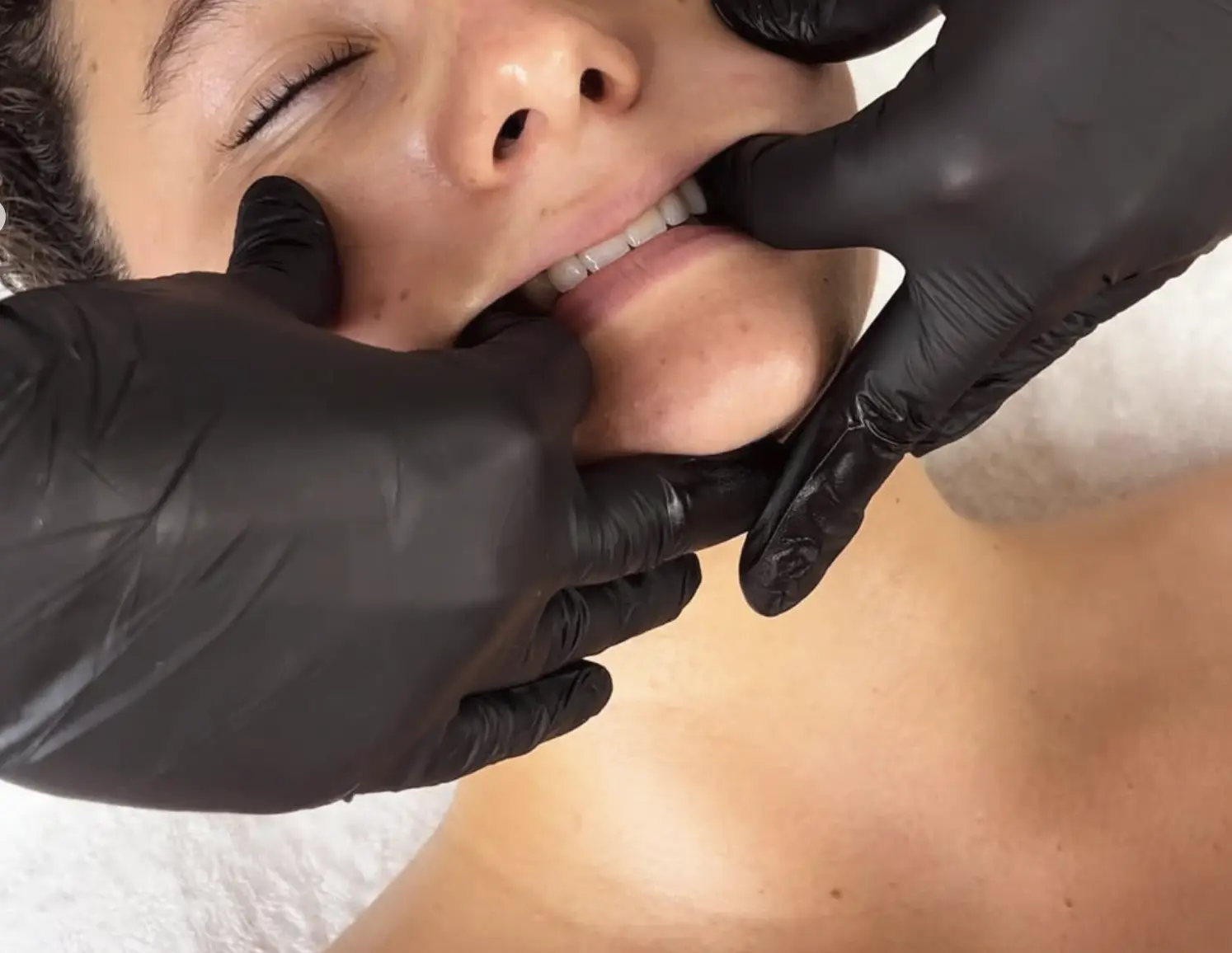
2. Buccal Release
My clients love the deep relaxation and the glow they get from buccal massage at The Facial Hub, which helps to get blood flowing under the surface of your skin.
3. Gua Sha & Vibrational Tools
Gua sha helps boost circulation and get those microcirculation channels open again. Modern vibrating tools can help stimulate the surface vessels and leave you looking radiant.
4. Oxygenating Clean Beauty Facial
This is one of our most popular treatments for people who just want to look brighter – it’s all about getting oxygen into the skin and making it glow.
At-Home Methods
- Massage your face daily
- Try gua sha
- Dry brush your neck and chest
- Use warm and cool compresses
- Nourish your skin with healthy foods and herbal teas
- Be gentle with your skin – and use jojoba beads for exfoliating
- Take a moment each day to breathe deeply and calm your nervous system
If you’re wondering whether it’s a lifestyle issue or something more serious, tools like a symptom checker or the Healthdirect helpline can help you figure it out.
Your Skin Thrives With Good Flow and Care
If you happen to notice any of these signs, wreak havoc with your circulation and temperature regulation. Always, poor circulation is pretty responsive to a bit of TLC. Whether you start with some gua sha at home or go and get professionally sculpted at The Facial Hub, your skin will bounce back in no time.
FAQ
Can poor facial circulation cause breakouts?
It can – low circulation makes wound healing a real pain, making it harder for blemishes to clear up and increasing the likelihood of pigmentation afterwards.
How long does it take to improve circulation?
Loads of clients notice a big improvement after just the one professional session – and with some regular care and small lifestyle tweaks, you can be looking at some significant improvements in 2–6 weeks.
Is gua sha really effective?
It does, as long as you do it right – studies show that it can really boost circulation almost instantly, especially across the cheeks and jaw.
Can medications affect facial circulation?
Some medications – including beta blockers and calcium channel blockers – can wreak havoc with your circulation and temperature regulation. Always check with a doctor if you notice anything weird.
When should I seek professional advice?
If it’s been going on for more than 6–8 weeks or you notice anything big, like persistent tingling or patches of skin that are always cold, give your doctor or the Healthdirect helpline a call.