





next: So, can I sleep on my face after an eyebrow tattoo? is one of the first questions clients ask as soon as their brows are done. Fair question – especially if you’re a side or stomach sleeper. But when you’ve just invested in eyebrow tattooing, those first nights aren’t about comfort. They’re about protecting the colour and shape so the semi-permanent ink settles properly.
I’m Olha Po, founder of Cosmetic Tattoo Studio Melbourne Face Figurati, where we’ve seen every type of healing journey under the sun. Over nearly a decade of practice, I’ve guided hundreds of clients (and trained many artists through my eyebrow tattoo course) through the ups and downs of their healing process. This article explains why sleep position matters, how your skin type influences colour retention and why simple aftercare decisions make the difference between flawless brows and patchy results.
Contents
- 1 Why Sleeping Position Matters More Than You Think
- 2 The First 10 Days: Healing Stages and Sleep Risks
- 3 Side Sleepers and Stomach Sleepers: What You Risk
- 4 Can You Train Yourself to Sleep Differently?
- 5 Hygiene: Clean Bedding, Fresh Brows
- 6 Lifestyle Traps That Delay Healing
- 7 Skin Types and Healing Differences
- 8 Touch-Ups and Perfection Visits: Non-Negotiables
- 9 Real Client Stories: When Sleep Went Wrong
- 10 Long-Term Colour and Shape Retention
- 11 Healing Comes First, Comfort Comes Second
- 12 FAQ
Why Sleeping Position Matters More Than You Think
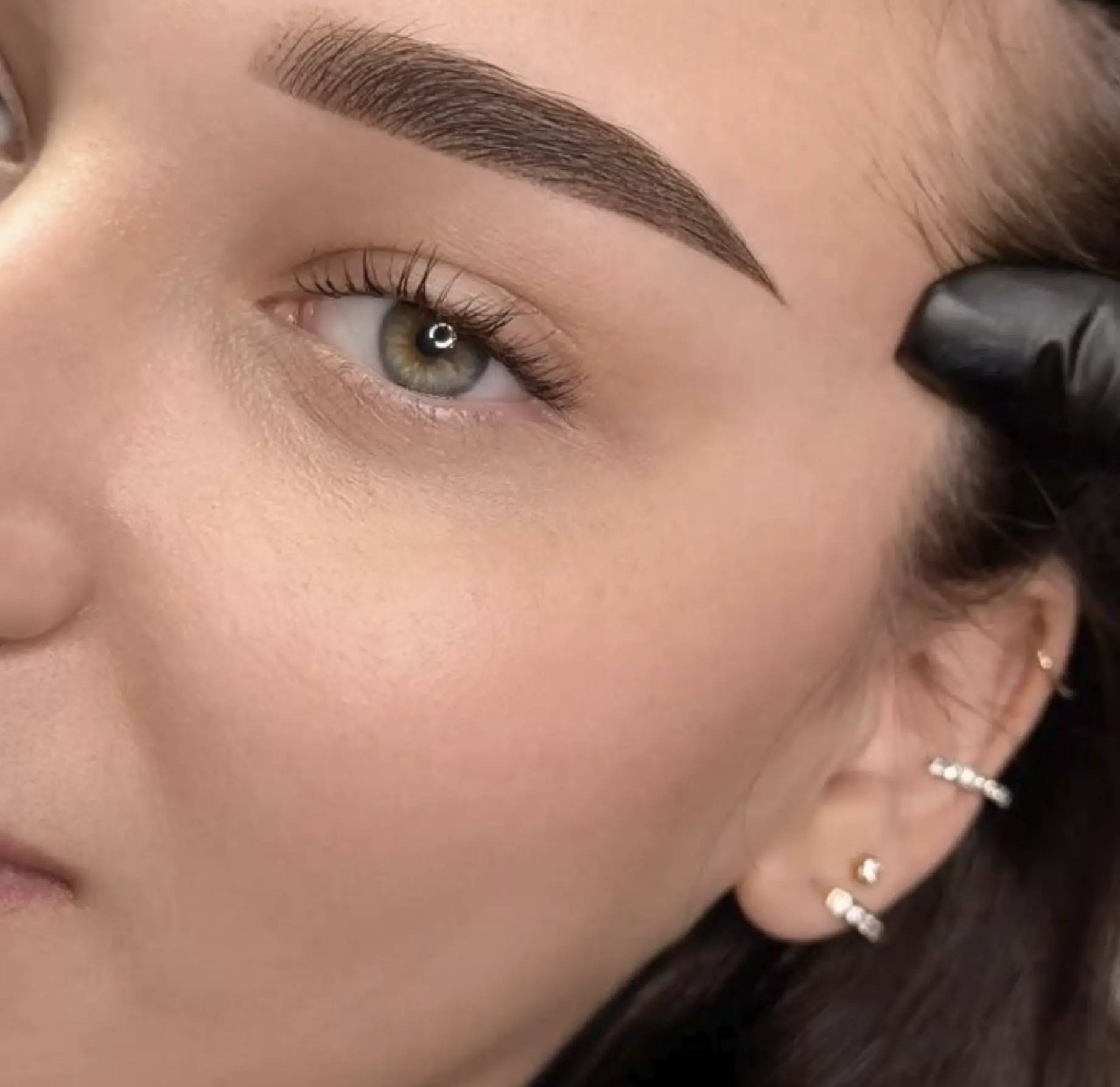
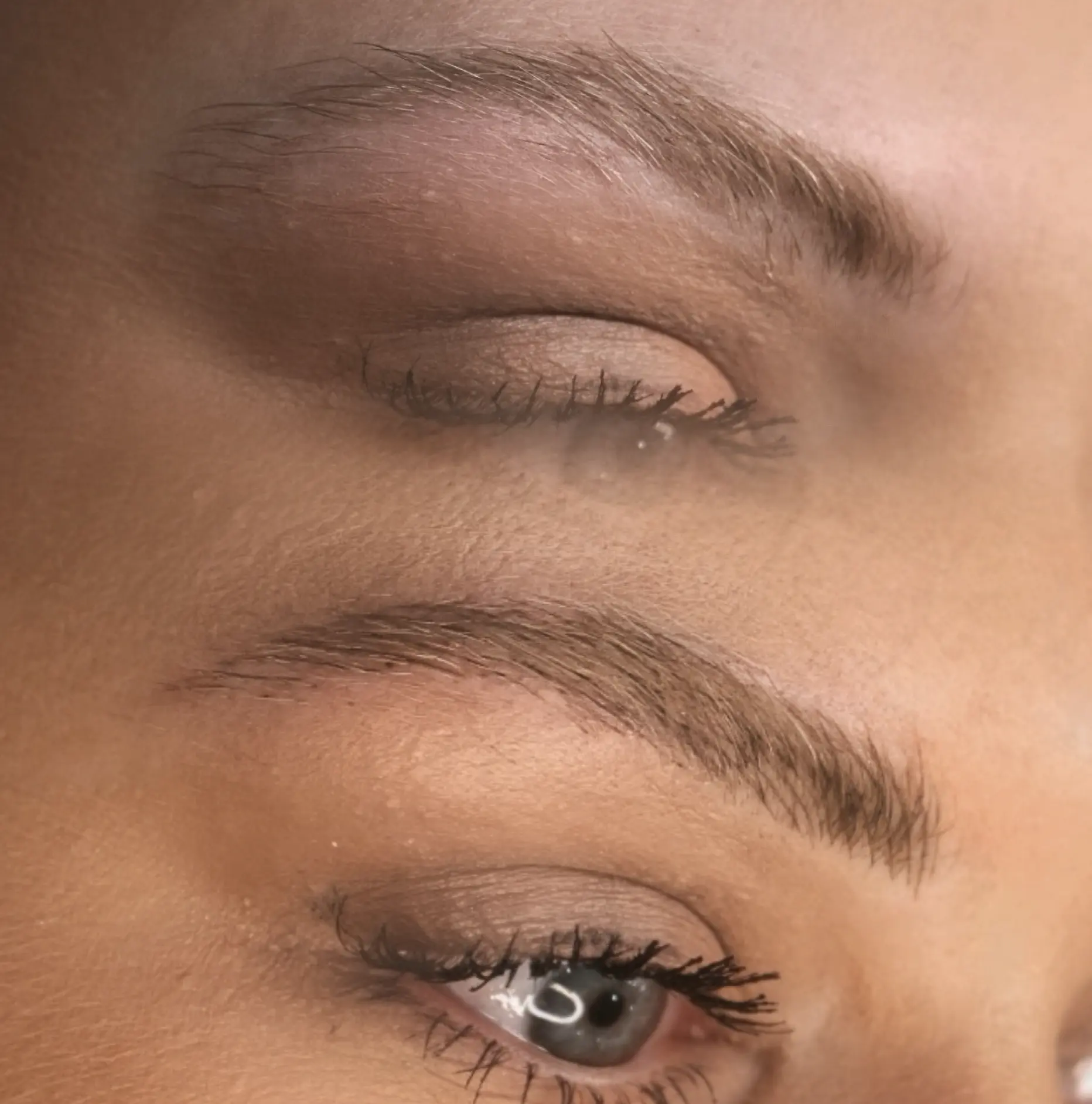
Eyebrow tattooing isn’t just a quick cosmetic service – it’s a skin procedure. Semi-permanent ink is carefully deposited into the upper dermis, and the pigment needs stability to settle. If you sleep face down, the scabs rub against your pillow, and the colour fades, and the healing stages become uneven.
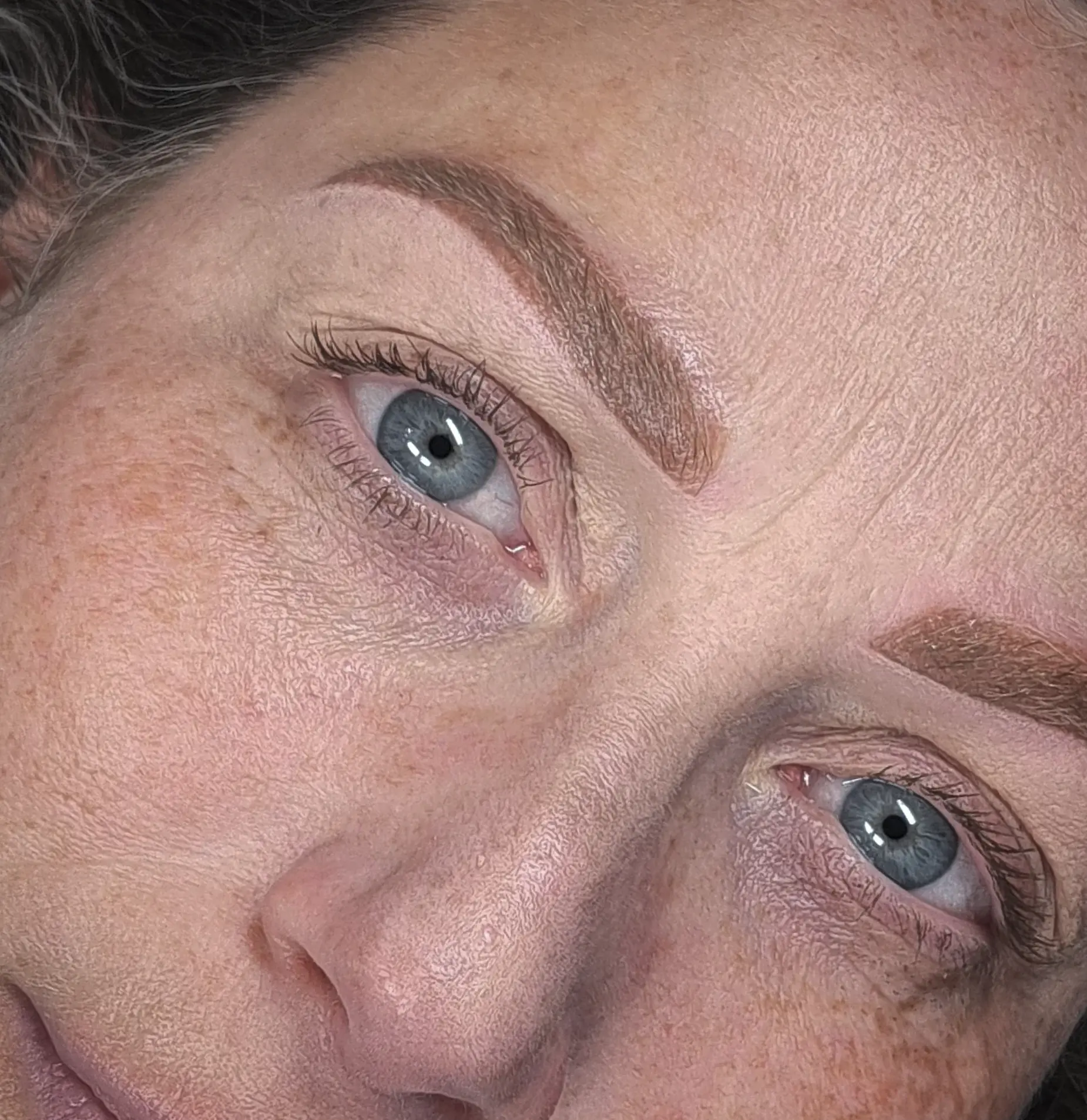
Even powder eyebrow tattoo clients – who often experience softer shading compared to hair strokes – need to be strict with their aftercare. Friction and pressure can blur the results, especially if the skin is still closing during the first 72 hours.
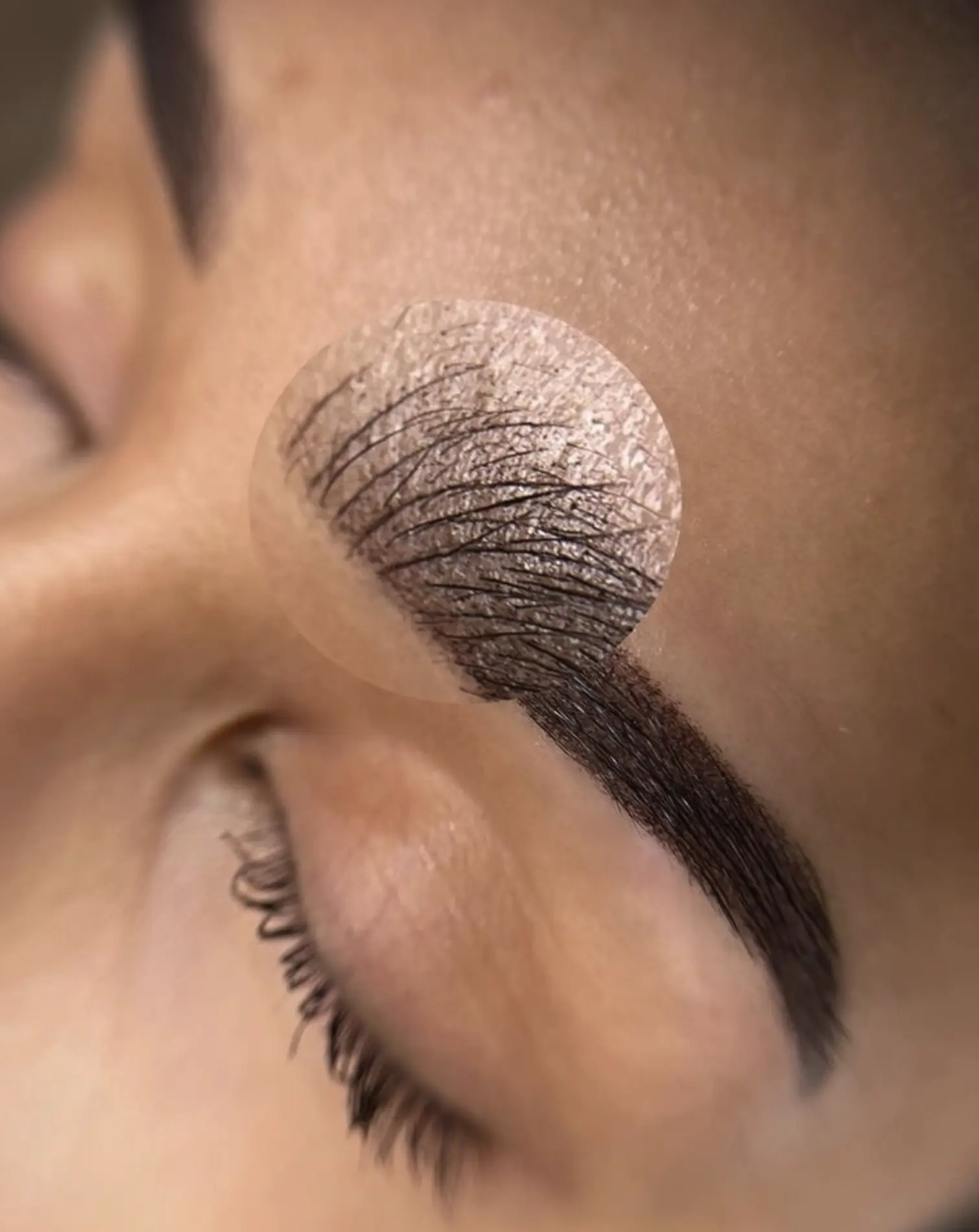
For students in my eyebrow tattoo training workshops, I always stress this point: perfect technique in the studio means nothing if the client sleeps face-down at home. Healing and aftercare are half the job.
The First 10 Days: Healing Stages and Sleep Risks
Your brows will go through a series of visible changes. Here’s how each stage lines up with sleep positioning:
| Day | Healing Stages in the Skin | Sleep Risks if You Lie Face-Down |
|---|---|---|
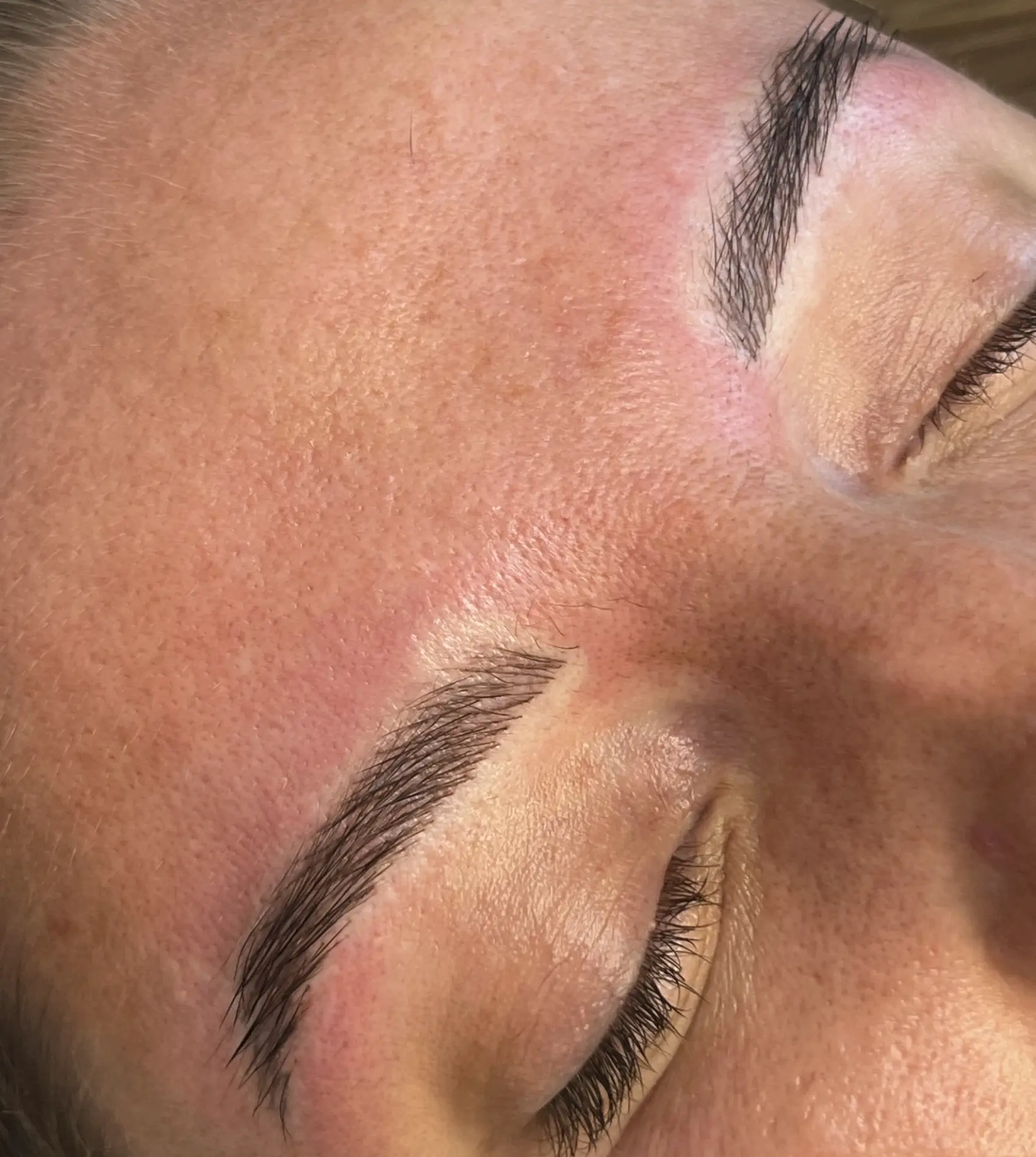
| 1–3 | Pigment settling, skin closing | Ink transfer, increased risk of infection |
| 4–7 | Scabbing and flaking | Scabs catch on the pillow, uneven retention |
| 8–10 | Surface almost sealed | Reduced risk, but still fragile |
| 11–14 | Pigment resurfaces, brows look lighter | Safer to sleep sideways, but avoid too much friction |
The reality? Eyebrow tattoo results depend on what you do in those early days. Ignore post-eyebrow tattoo care and you risk poor colour retention, extra touch-up sessions, and even extra cost.
Side Sleepers and Stomach Sleepers: What You Risk
If you’re a lifelong side sleeper, I won’t sugarcoat it — it’s tough to retrain yourself. But pressing one brow harder than the other can lead to asymmetry. Stomach sleeping is even riskier because it forces both brows into constant friction.
At Cosmetic Tattoo Studio Melbourne Face Figurati, I’ve had clients confess to “just one night” of face-down sleep. Almost every time, it showed up as lighter patches by their first touch-up appointment. One woman needed a second perfection visit because her pigment lifted too early.
To avoid that:
- Use a U-shaped travel pillow to stop rolling.
- Place rolled towels beside you to keep you steady.
- Sleep slightly elevated to reduce swelling.
- Switch to silk pillowcases for reduced friction.
Can You Train Yourself to Sleep Differently?
Yes, and it doesn’t take as long as you’d think. Just like committing to a new brow routine — say, switching from pencilling to powder eyebrow tattoo — you can adjust your body habits.
Tips that work:
- Practise back sleeping in the week leading up to your brow appointment.
- Remind yourself nightly that this isn’t just beauty — it’s post-eyebrow tattoo care.
- Keep a spare pillow behind your back so you don’t roll over easily.
My eyebrow tattoo course students often ask how to explain this to clients. My advice is simple: “It’s a week of discipline for years of fabulous results.”
Hygiene: Clean Bedding, Fresh Brows
Melbourne’s weather makes this trickier than it sounds. In summer, humidity means sweat. In winter, heaters cause dry skin and flaky scabs. Either way, hygiene matters.
- Change pillowcases daily for the first 7–10 nights.
- Keep pets off the bed — fur plus semi-healed brows equals trouble.
- Wash bedding with fragrance-free detergent.
- Skip petroleum jelly — it suffocates the skin. Instead, apply the aftercare cream given by your artist.
At my studio, I once saw a client delay healing by using petroleum jelly she found at home instead of the recommended aftercare cream. It clogged her skin and caused uneven pigment retention.
Lifestyle Traps That Delay Healing
It’s not just sleep position that matters. Lifestyle plays a big role in pigment settling.
- Hot tubs and saunas: Moisture softens scabs, causing premature peeling.
- Tanning treatments: UV exposure speeds up colour fading.
- Chemical peels: Make the skin too thin to hold pigment.
- Blood thinning medications: Increase bleeding, reducing retention.
- High blood sugar levels: Delay recovery, especially for clients with diabetes.
That’s why we have a contraindication list before booking. If you’re on antiviral medication, dealing with chronic skin conditions or taking blood thinners, we’ll adjust your plan for safety.
Skin Types and Healing Differences
No two clients heal the same. Your skin type determines how your brows settle and if you’ll need an extra perfection visit.
- Oily skin: Often pushes pigment out, so powder eyebrow tattoo or nano brows give better retention.
- Dry skin: May flake aggressively, but heals with strong colour.
- Combination skin: Heals unevenly, so a follow-up visit is required.
- Sensitive skin: More redness and irritation, but manageable with the right aftercare cream.
When I train new artists in eyebrow tattooing, I tell them that the technique must suit the skin type. A client with oily skin may need shading instead of hair strokes for long-term results. That’s why professional eyebrow tattoo training is about more than just holding a tattoo machine — it’s about reading the skin.
Touch-Ups and Perfection Visits: Non-Negotiables
Even with perfect aftercare, most clients need a touch-up session. Semi-permanent tattooing is meant to be layered for a natural, realistic result.
- Touch-up appointment (6–8 weeks): Corrects colour fading and fills patchy spots.
- Perfection visit (if required): Especially for oily or sensitive skin types.
- Follow-up visit: Let’s check retention and refine the shape of your brow.
Skipping these can mean uneven brows, especially if you slept face-down during healing. At my Melbourne studio, every service includes a clear aftercare plan so you know exactly when to book back in.
Real Client Stories: When Sleep Went Wrong
I’ll never forget a client who went swimming in a hot tub on day three — ignoring every part of my aftercare advice. By her touch-up, half the pigment had lifted. It took two more appointments to correct.
Another client couldn’t resist side sleeping. She came in with one brow noticeably lighter than the other. A perfection visit fixed it, but it doubled her healing time.
These are why I stress, in both my services and my eyebrow tattoo course for new artists: results depend as much on post-care as they do on the tattooing itself.
Long-Term Colour and Shape Retention
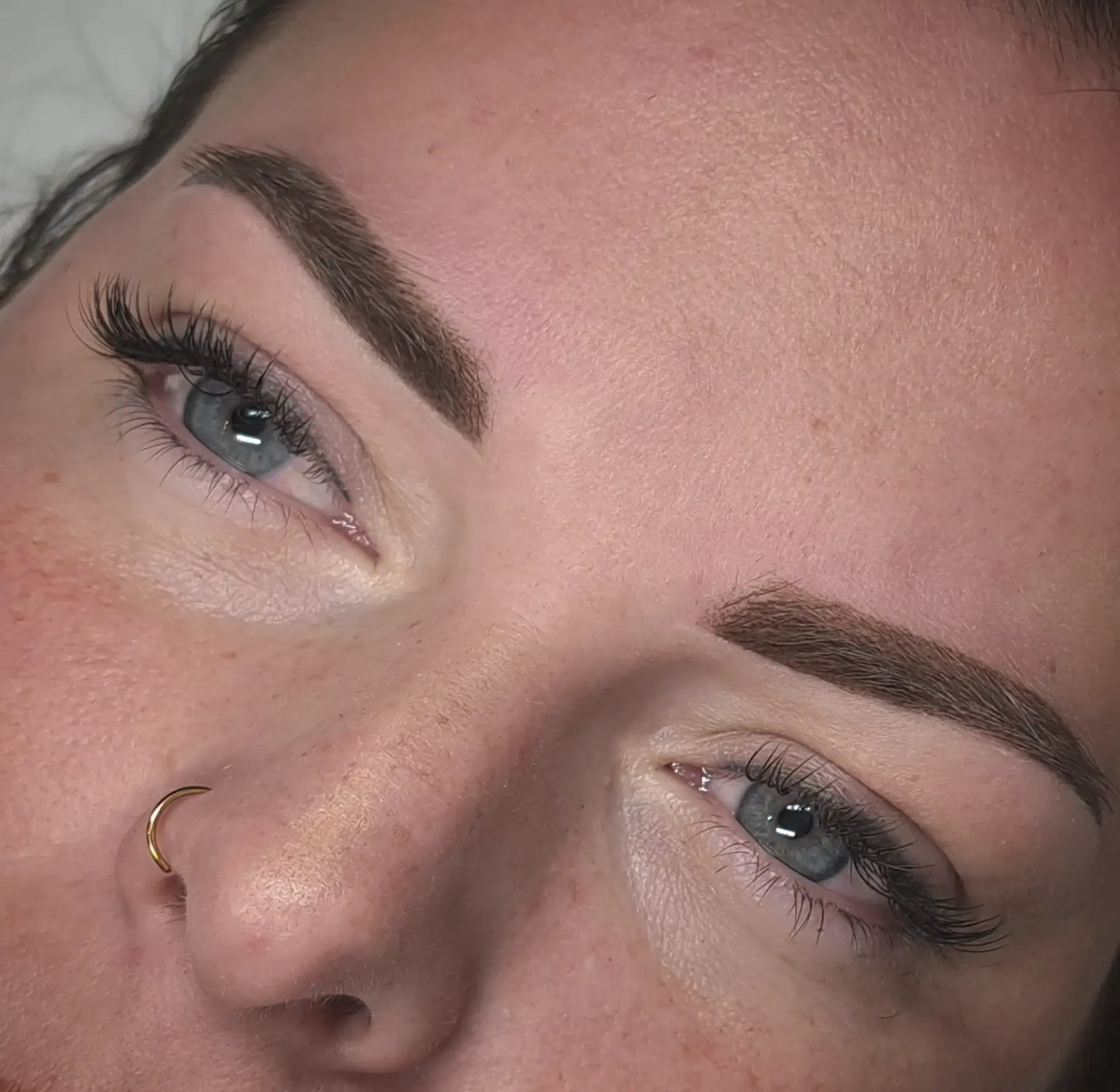
Once healed, eyebrow tattoo results can last 1–3 years depending on your skin, lifestyle and aftercare. Protecting your brows during healing reduces the need for early refreshes and ensures the colour and shape remain flattering.
Industry research in 2024 found that 38% of poor results in cosmetic tattoo services were linked to poor aftercare — with sleep habits at the top of the list. That’s a big statistic for something as small as pillow placement.
At Cosmetic Tattoo Studio Melbourne Face Figurati, we tailor every treatment — whether it’s nano brows, powder eyebrow tattoo or a classic hair-stroke eyebrow tattoo — to your skin type and lifestyle so you get long-term fabulous results.
Healing Comes First, Comfort Comes Second
So, can you sleep on your face after an eyebrow tattoo? The short answer: no. For the first week, protect your investment by avoiding face-down sleep. It’s a short inconvenience for years of fabulous results.
At Cosmetic Tattoo Studio Melbourne Face Figurati, I tell every client: Your brows are only as good as your aftercare. Follow the rules, respect the healing process and book your touch-up appointment. That’s how you get brows that stay crisp in both colour and shape.
FAQ
How many nights do I need to avoid sleeping on my face?
At least 7-10 nights. This is when pigment is most at risk of smudging and scab loss.
What if I roll over while asleep?
One accident isn’t a disaster. Just clean the area gently with aftercare cream. But repeated pressure will affect colour retention.
Can I use petroleum jelly instead of aftercare cream?
No. Petroleum jelly clogs the skin. Always stick with the aftercare cream recommended for cosmetic tattoo healing.
Why do oily and combination skin types need more care?
Because they often push pigment out faster, making fading more likely. That’s why nano brows or powder eyebrow tattoo may be recommended for better hold.
Is professional training important for brow artists?
Absolutely. Eyebrow tattooing is a cosmetic service that requires skill, hygiene, knowledge and skin analysis. That’s why I run an eyebrow tattoo training program and an in-depth eyebrow tattoo course in Melbourne — to ensure new artists deliver safe and consistent results.