









Can you visit the Yarra Valley without a car? It’s a fair question — especially if you’ve just landed at Melbourne Airport, you’re keen on wine tasting, and the thought of navigating country roads after a long flight sounds like hard work. The good news is, yes, it’s absolutely doable — but only if you understand how transport in the Valley really works.
I’m Paul Beames, and after years planning and running trips through Australia’s best wine regions, I’ve seen this go brilliantly… and I’ve seen it unravel fast. This guide cuts through the fluff and shows you how to explore the Yarra Valley without driving, using options that actually hold up once you’re on the ground.
Contents
- 1 What The Valley Looks Like On A Map
- 2 Why Not Driving Can Actually Improve The Experience
- 3 How Far Public Transport Will Take You
- 4 Why Organised Tours Are The Easiest Solution
- 5 Hop-Style Buses And Limited Shuttle Options
- 6 Private Transfers For Tailored Days
- 7 Why Rideshare And Taxis Are A Risk
- 8 Comparing The Main Car-Free Options
- 9 Wineries And Stops That Work Well Without Driving
- 10 Scenic Roads You’ll Miss — And Why That’s Okay
- 11 Timing Is Everything Without A Car
- 12 More Than Wine: Other Easy Car-Free Experiences
- 13 The Better Question To Ask
- 14 Final Takeaway
- 15 FAQ
What The Valley Looks Like On A Map
The Yarra Valley is located approximately 55–70 kilometres northeast of Melbourne’s CBD, spanning the hills and farmland of the Yarra Ranges. Wineries aren’t clustered around one main strip — they’re dotted along rural roads, ridgelines, and river flats.
Geography is the key factor that most visitors underestimate. There’s no train pulling up at cellar doors in Yarra Glen, and no simple loop you can wander on foot. Transport choices shape the entire day.
Why Not Driving Can Actually Improve The Experience
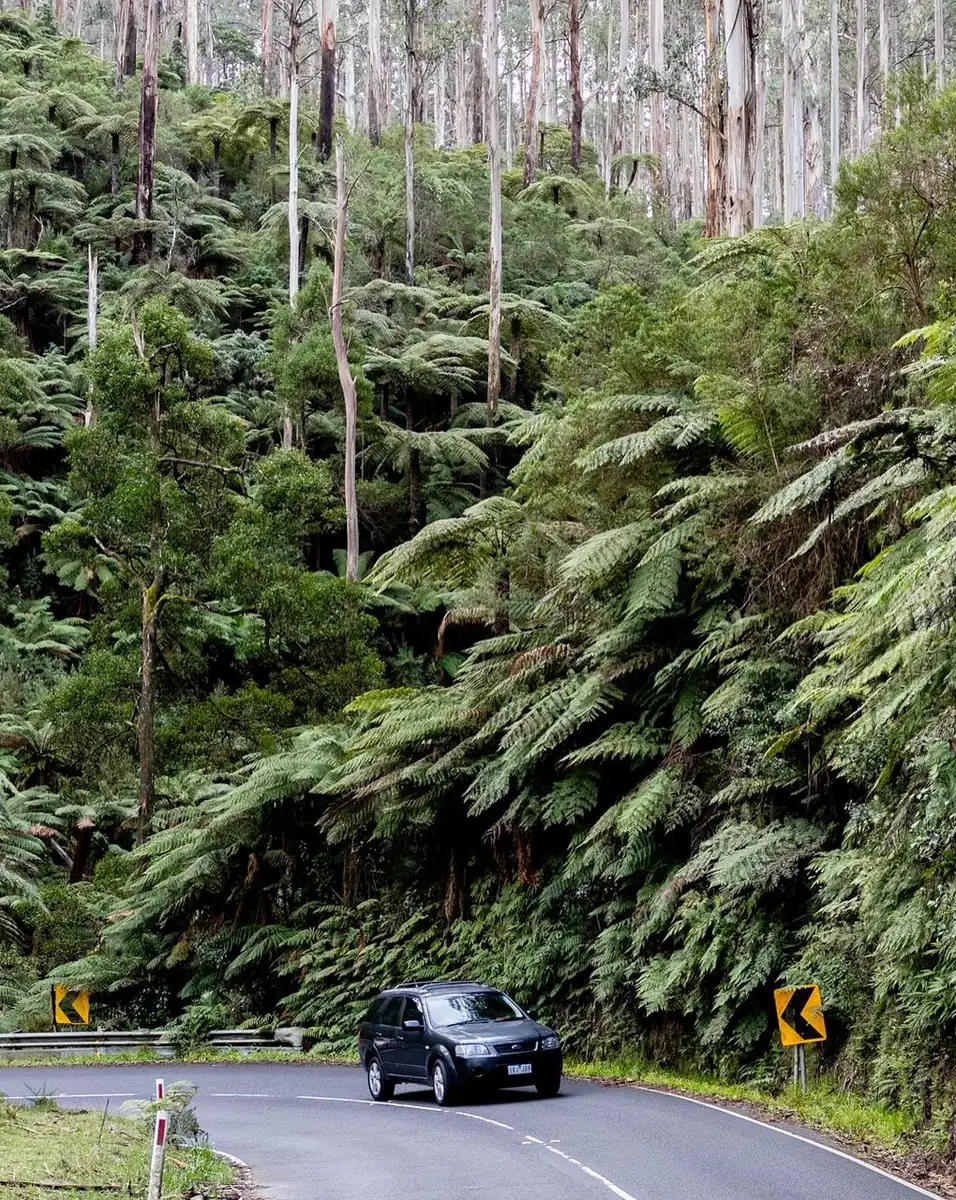
On paper, driving sounds convenient. In practice, it often clips the wings of the day.
Going car-free means:
- no designated driver dilemmas
- no second-guessing pours at cellar doors
- no navigating unfamiliar highways like Maroondah Highway or Warburton Highway
- no worrying about tollways on the way back to Melbourne
Instead, you get to slow down, taste properly, and enjoy the Valley as it’s meant to be enjoyed. That’s why more travellers now choose organised options — including operators like Wildlife Tours — rather than juggling keys and maps.
How Far Public Transport Will Take You
Let’s be clear: public transport alone won’t give you a classic winery-hopping day.
You can take the train from Melbourne to Lilydale, then connect to a bus to Yarra Valley towns such as Healesville. This setup works well if your plans focus on:
- Healesville Sanctuary
- village shops and local markets
- one pre-booked winery close to town
Once you move beyond town centres, buses thin out quickly. Timetables don’t flex for long lunches, and late-afternoon services can disappear just when you’re ready to head home. Public transport supports a Valley visit — it doesn’t anchor it.
Why Organised Tours Are The Easiest Solution

For most visitors, organised Yarra Valley tours from Melbourne are the cleanest, least stressful option.
A good wine tour handles:
- transport from Melbourne
- timing between stops
- tasting bookings
- safe return at the end of the day
That frees you to focus on what you came for—wine tasting, food, scenery, and conversation. Tours typically include a balanced mix of styles, from elegant Pinot Noir to Sparkling wine and structured Cabernet Sauvignon, without you having to worry about routes or parking.
Operators like Wildlife Tours are popular because they don’t try to cram in everything. The pacing matters just as much as the venues.
Hop-Style Buses And Limited Shuttle Options
There are seasonal shuttle-style services in parts of the Valley, sometimes described as hop-on, hop-off buses.
These can work if:
- you’re staying overnight locally
- your tastings are clustered near Yarra Glen
- you’re comfortable planning tightly
They won’t reach every winery, but they can stitch together a workable day if expectations are realistic. Think targeted access, not total freedom.
Private Transfers For Tailored Days
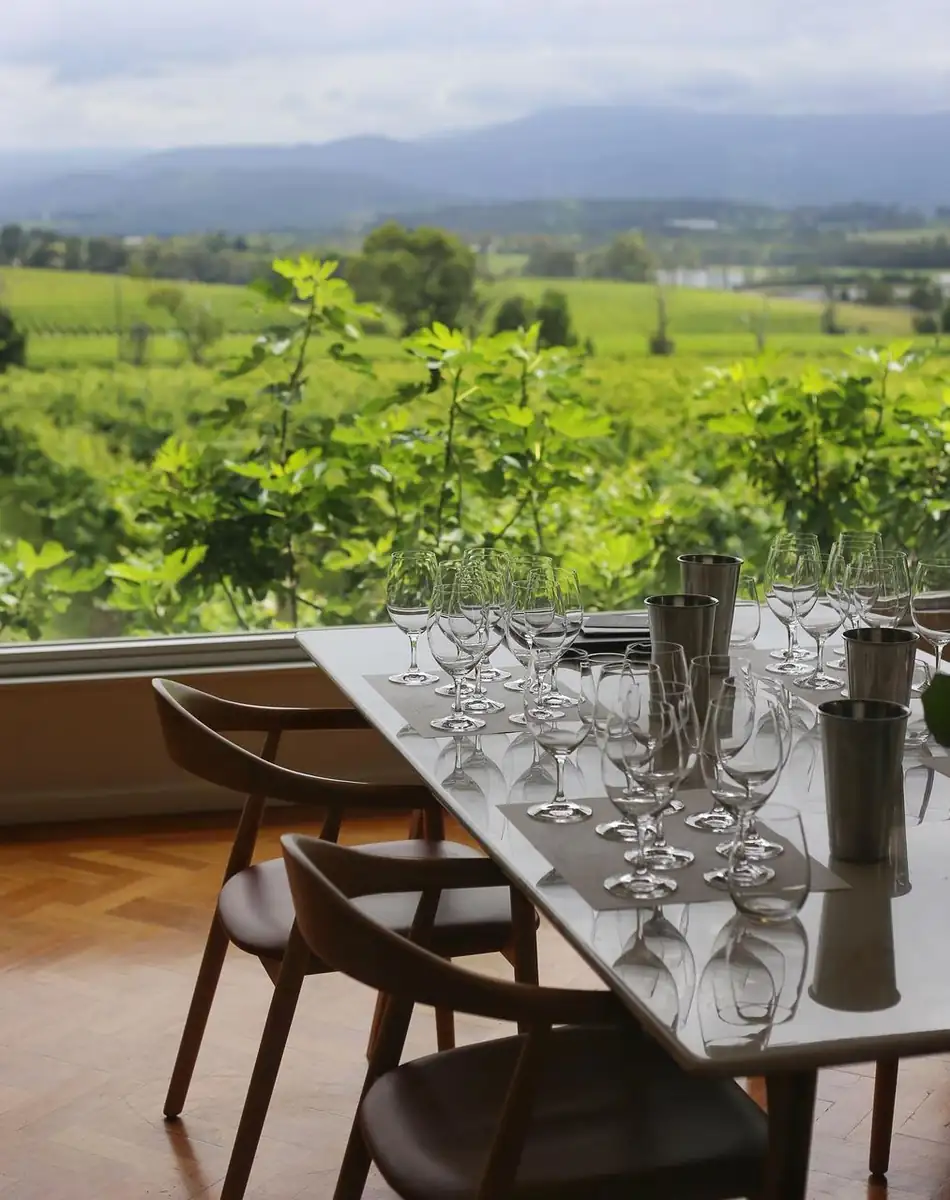
Private transfers sit between tours and full self-drive.
You book a vehicle with a licensed transport operator, choose your wineries, and move at your own pace. This suits travellers chasing specific producers or quieter itineraries.
Private transfers are commonly used for visits to places like:
- Domaine Chandon
- Dominique Portet, with its French winemaking roots
- Food stops such as Yarra Valley Dairy
It costs more than a group tour, but it eliminates the burden of driving and navigation.
Relying on taxi companies, ride-hailing services, or taxi booking apps in the Yarra Valley is a gamble.
Coverage drops quickly once you leave towns. Drivers dislike waiting at wineries, and mobile reception can be patchy along the Yarra River and vineyard back roads. I’ve seen travellers stranded mid-afternoon with dwindling options. It’s not a plan I’d recommend building a day around.
Comparing The Main Car-Free Options
| Option | Best For | Flexibility | Stress Level |
|---|---|---|---|
| Public transport | Town visits | Low | High |
| Organised wine tours | First-time visitors | Medium | Low |
| Shuttle services | Overnight stays | Medium | Medium |
| Private transfers | Custom itineraries | High | Low |
| Taxis/rideshare | Short hops only | Low | Very high |
Wineries And Stops That Work Well Without Driving
Most tours and transfers focus on venues that handle visitors smoothly and pour consistently.
Common stops include:
- Yarra Yering
- De Bortoli
- Coombe Yarra Valley
- Rochford Winery
- Four Pillars Gin
These visits often include gourmet produce, seasonal menus, and relaxed lunches — all easier to enjoy when someone else is driving.
Scenic Roads You’ll Miss — And Why That’s Okay
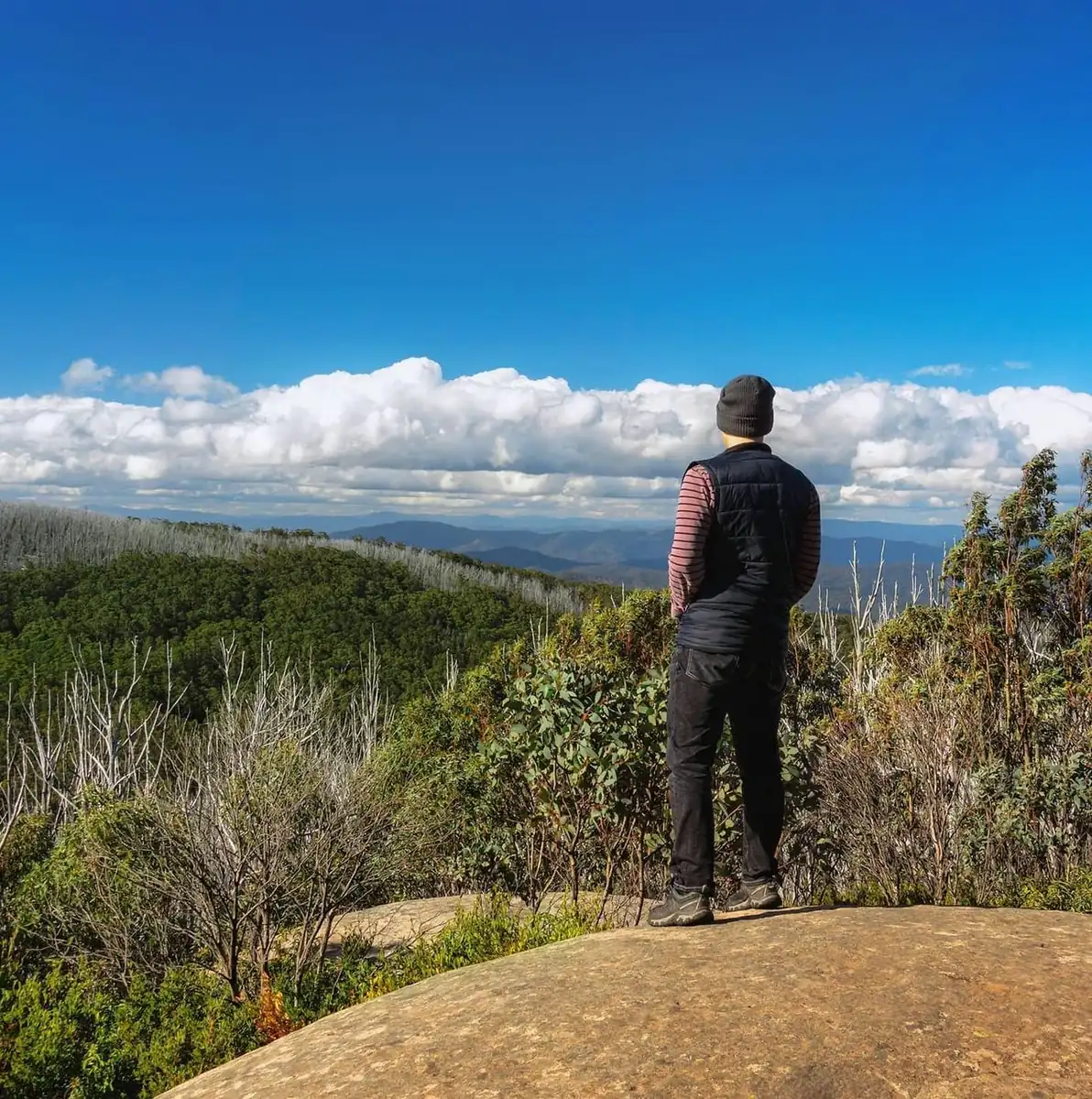
Yes, not driving means skipping some scenic drives:
- the Eastern Freeway through the Mullum Mullum Tunnel
- winding routes toward Lake Mountain
- detours via Marysville Road and the Dandenong Ranges
But missing those roads doesn’t mean missing the Valley’s scenic beauty. Tours still roll through vineyards, open paddocks, and river bends — minus the navigation stress.
Timing Is Everything Without A Car
Weekends and public holidays are busy. That’s non-negotiable.
If you’re not driving:
- book tastings early
- avoid peak lunch windows
- travel mid-week if possible
- lock in tours during autumn and spring
Hot days magnify crowds. Cooler days thin them out. Plan accordingly.
More Than Wine: Other Easy Car-Free Experiences
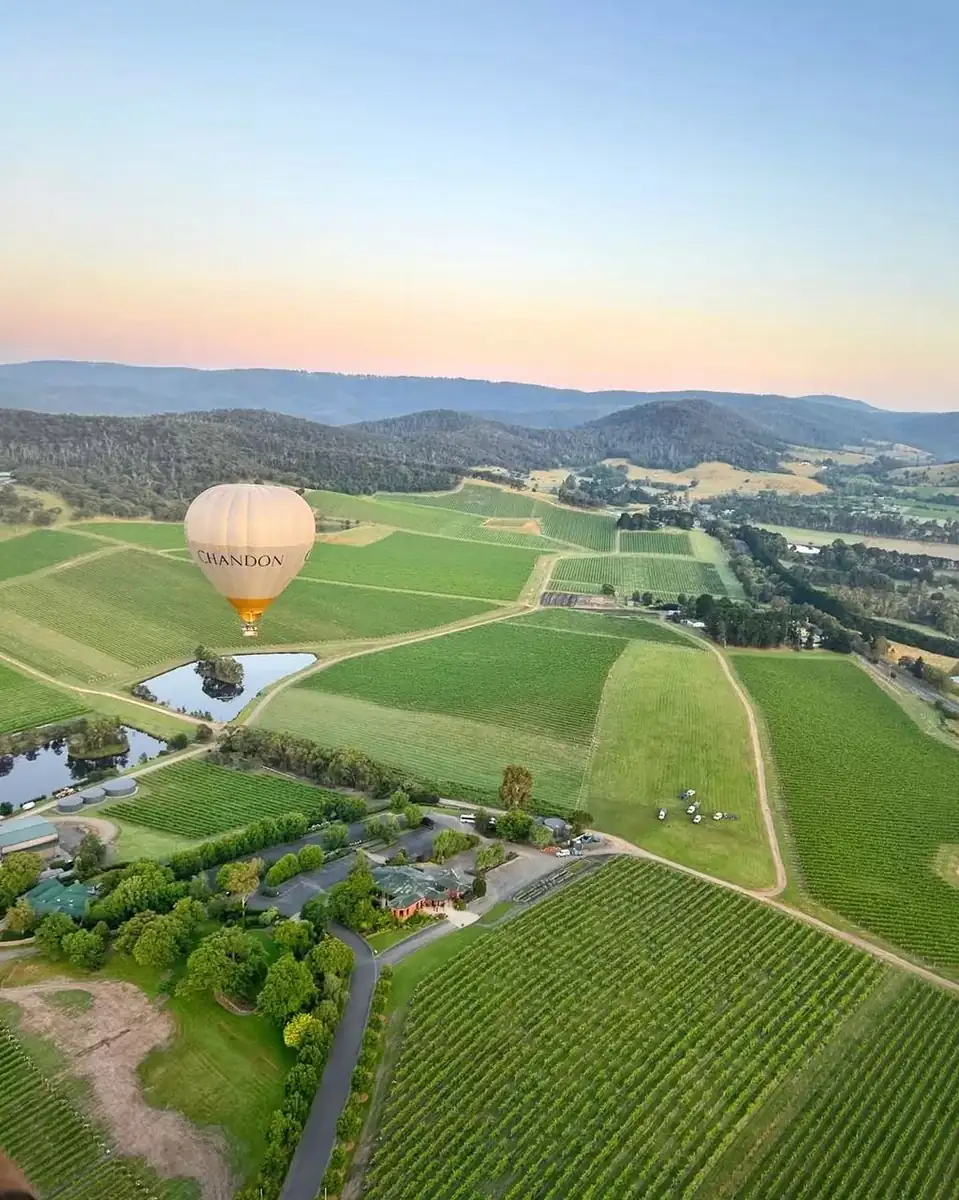
A no-car visit can still include:
- hot air balloon flights at sunrise
- native wildlife encounters at Healesville
- browsing village shops and local markets
- staying at boutique hotels or the Yarra Valley Lodge
- cycling stretches of the Lilydale-Warburton Rail Trail
You’re not limited — you’re just choosing experiences that don’t rely on constant movement.
The Better Question To Ask
The real decision isn’t whether you can do the Yarra Valley without a car.
It’s whether you want to:
- manage logistics yourself, or
- let someone else handle the roads while you focus on tasting and enjoying the day
For many travellers, structured options like Wildlife Tours or other Yarra Valley tours from Melbourne deliver a calmer, more enjoyable experience than self-driving ever could.
Final Takeaway
You don’t need a car to enjoy the Yarra Valley — but you do need a plan grounded in reality. Public transport plays a small role. Tours and transfers unlock the best experiences without stress.
Plan once. Sip slowly. Let someone else handle the roads.
FAQ
Is Public Transport Enough For Multiple Wineries?
No. It works for towns and attractions, not for hopping between cellar doors.
Are Guided Wine Tours Too Rigid?
Quality tours balance structure with breathing room and don’t rush tastings.
When Does Hiring A Car Make More Sense?
If you’re staying several nights or visiting remote wineries off main routes.
Can One Day Cover Yarra Valley And Mornington Peninsula?
No, not realistically. Each region deserves its own day.
Is Late-Day Transport Reliable Without Planning?
No. Always pre-book your return option.