



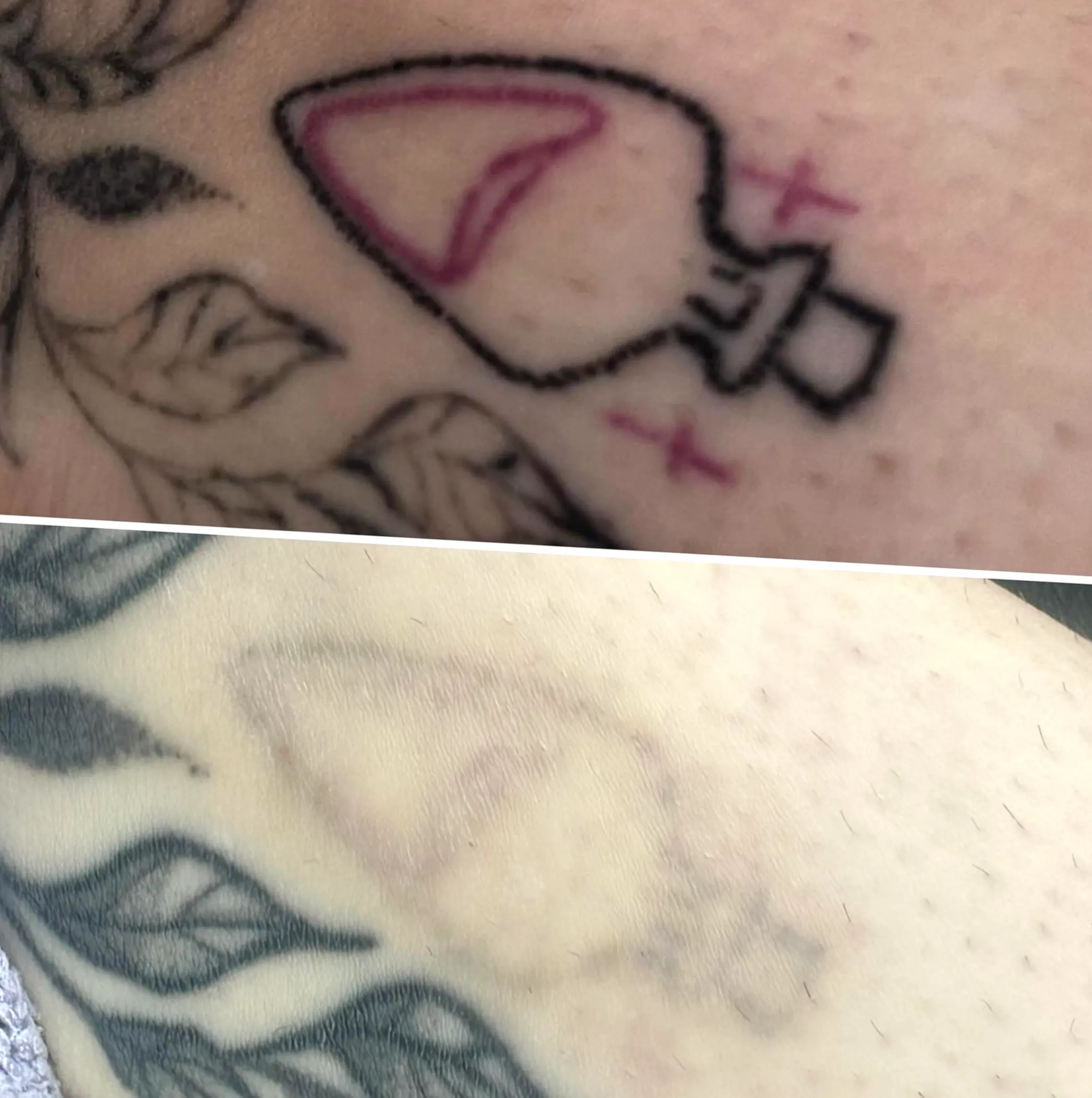
Does washing a tattoo make it fade? It’s one of the most common aftercare questions I get in my Melbourne studio — right up there with “How long does the healing process take?” and “Can I go to swimming pools next week?”
The truth is, washing helps tattoos heal — if you’re doing it right. But wash with the wrong products, too often, or at the wrong time in your tattoo healing, and you might end up with peeling skin, patchy pigment or even a slower healing time.
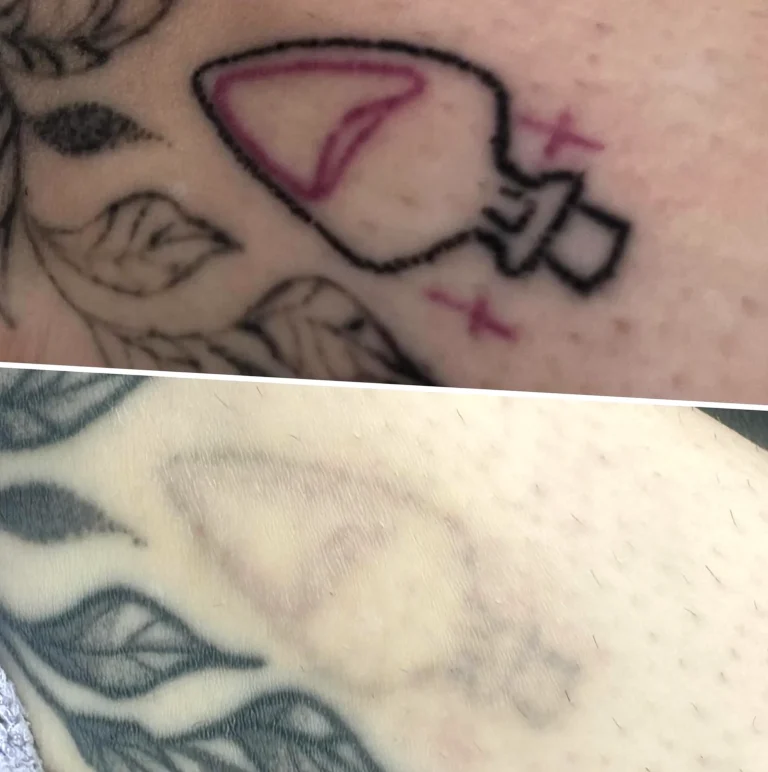
At Face Figurati Cosmetic Tattoo Studio, I’ve seen every version of this story. The clients who follow my aftercare to the letter end up with crisp lines and long-lasting colour. The ones who improvise… well, let’s just say it’s a reminder why we tell you to pat dry, not rub. And when things go wrong, sometimes we need to look at touch-ups or even gentle options like saline tattoo removal to correct pigment loss.
Contents
- 1 The Role Of Cleansing In Tattoo Healing
- 2 How The Skin Reacts After Tattooing
- 3 Why Overwashing Can Cause Problems
- 4 Choosing The Right Cleansers
- 5 Safe Cleansing Options
- 6 Skin And Lifestyle Factors
- 7 The Science Of Pigment Retention
- 8 When Washing Becomes The Enemy
- 9 Permanent Makeup Vs Body Tattoos
- 10 Healing Timeline And Washing Guidelines
- 11 Common Myths About Washing Tattoos
- 12 Real Client Stories
- 13 Long-Term Tattoo Care
- 14 When To See A Medical Professional
- 15 Final Reflection
- 16 FAQ
The Role Of Cleansing In Tattoo Healing
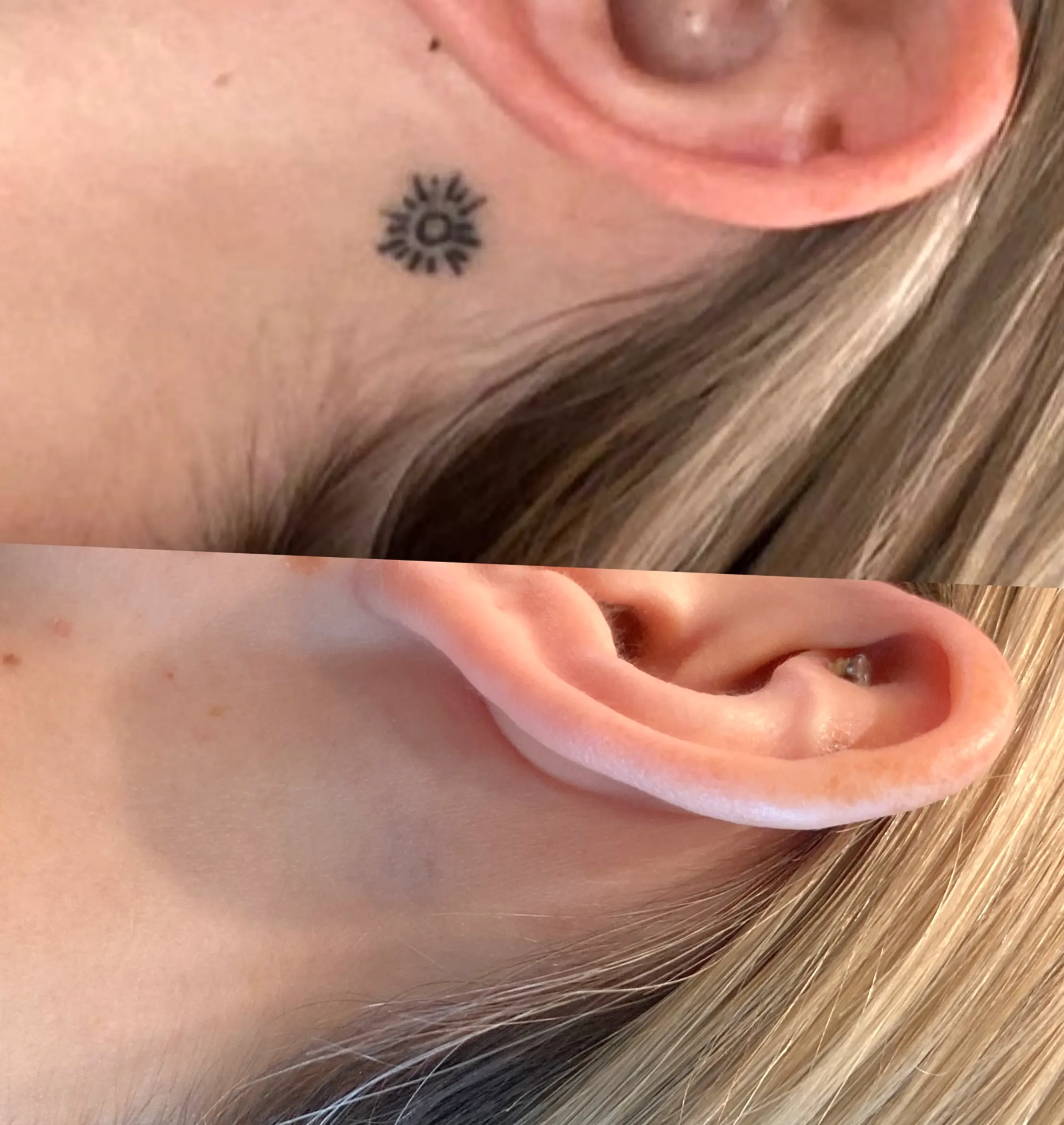
New body art isn’t just a pretty picture — it’s a wound. Your skin barrier is temporarily broken, pigment particles are settling into place, and your immune system’s response is working overtime. Keeping it clean with antibacterial soap is about more than appearance — it’s about your health.
I always recommend hypoallergenic soap or fragrance-free, pH-balanced cleanser for the first few days. Using the wrong product, like grapefruit oils or harsh scrubs, can disrupt the skin cells’ natural repair process, and that’s when you might need early tattoo removal for uneven results.
How The Skin Reacts After Tattooing
- The tattoo artist has just used machine needles or a microneedling pen to implant tattoo inks beneath the surface.
- The second skin or cling wrap applied in the studio protects the area for the first few hours.
- Your immune system immediately starts repairing the skin barrier and locking in pigment particles.
- Peeling skin, mild swelling or light tattoo peeling is normal around days 3-7.
- If pigment loss occurs from poor aftercare, modern correction options like laser tattoo removal or saline tattoo removal can target only the affected spots.
Why Overwashing Can Cause Problems
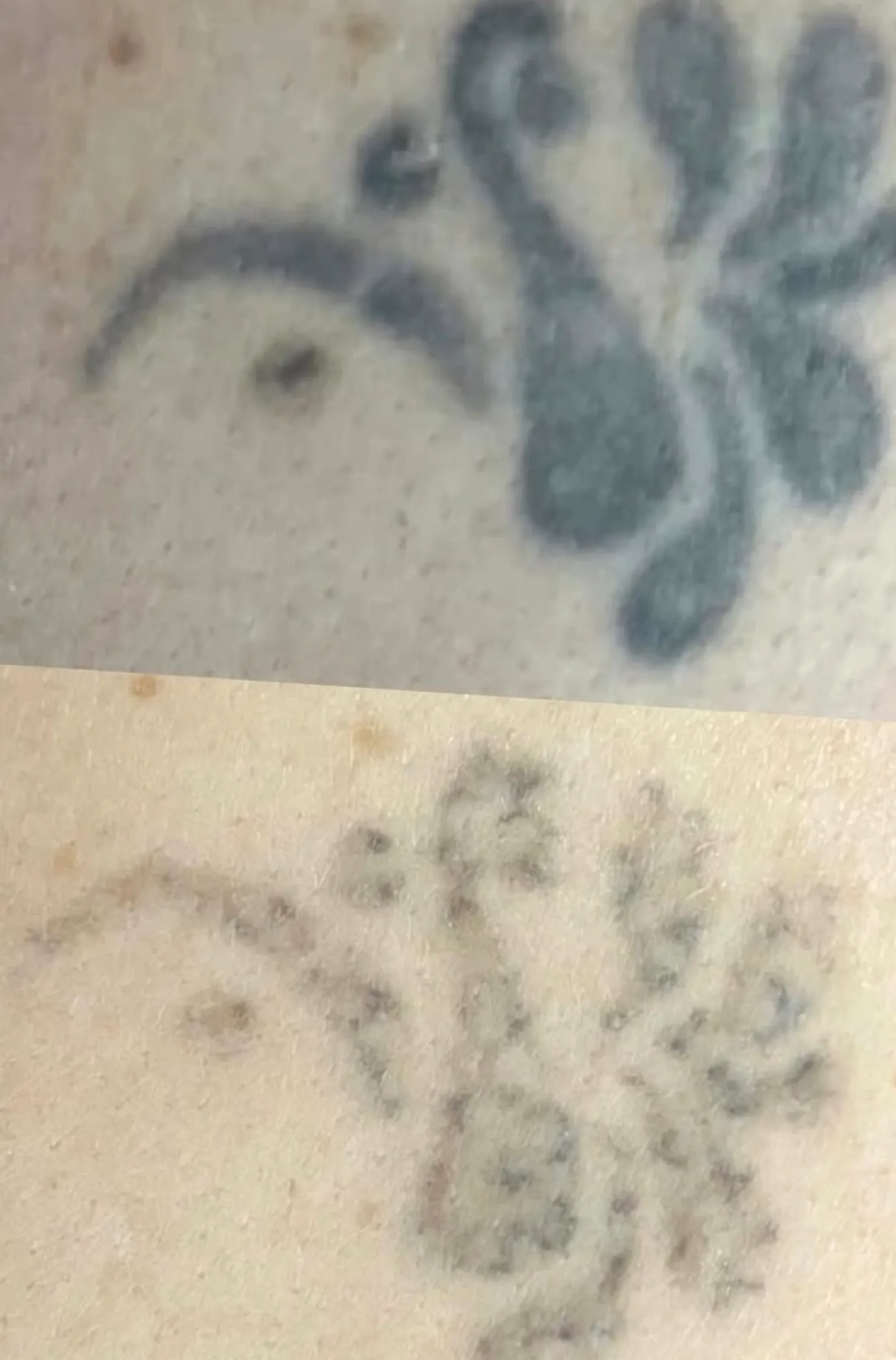
- Loosens scabs and causes a patchy tattoo
- Removes natural oils that help with healing
- Causes irritation, especially on dark skin or with sensitive skin conditions
When fading is due to wear and tear rather than bad healing, clients sometimes get a top-up or choose tattoo removal before re-inking the area.
Choosing The Right Cleansers
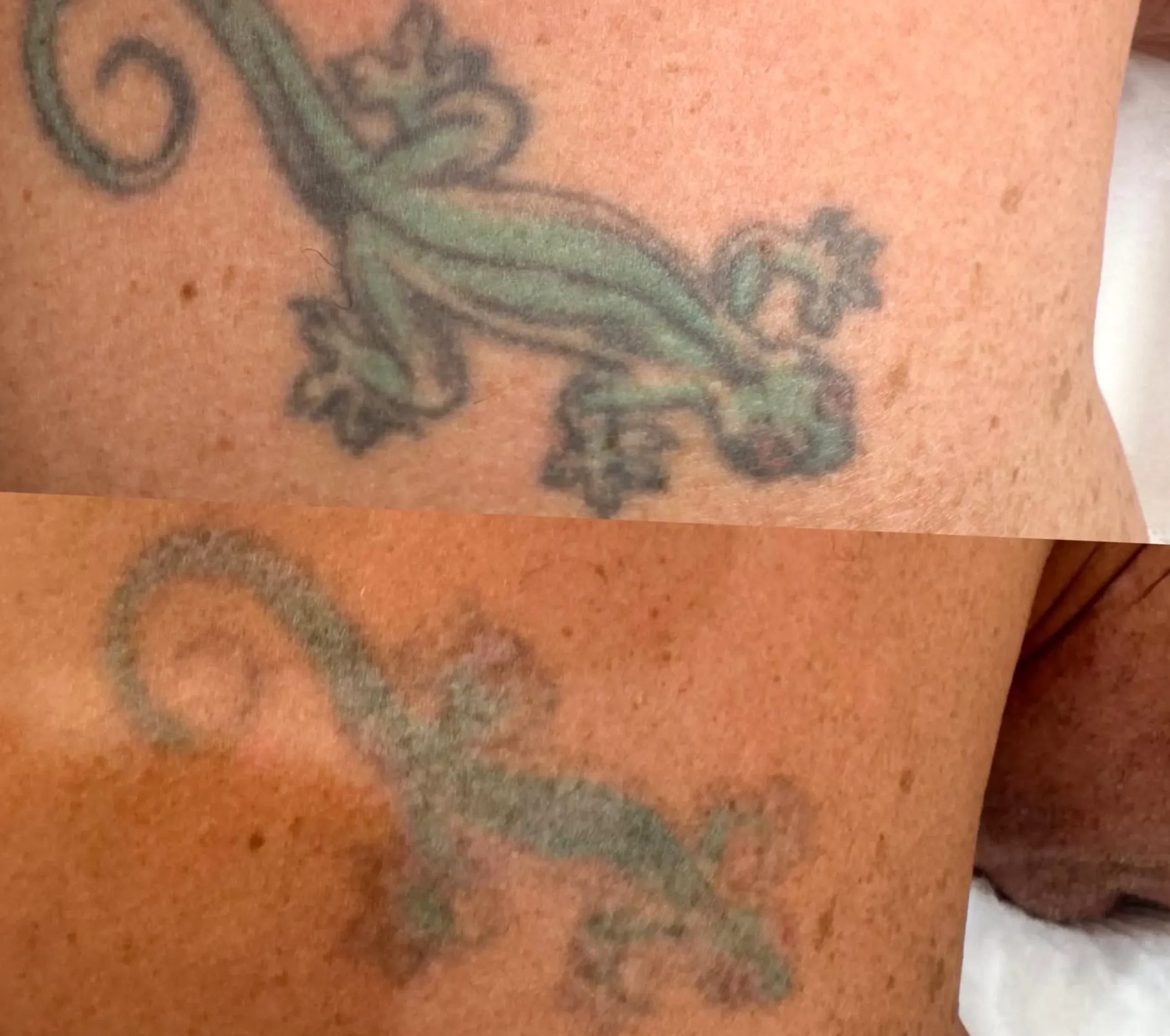
The best cleansers for a fresh tattoo are:
- Hypoallergenic soap
- Antibacterial soap formulated for sensitive skin
- Zensa Healing Cream or similar healing balm for after cleansing
- Water-based moisturising cream to maintain hydration
Many clients visiting us for laser hair removal also have tattoos, and we always advise them to keep treated tattooed skin separate from laser exposure to avoid pigment changes.
Safe Cleansing Options
| Stage | Product Type | Frequency | Notes |
|---|---|---|---|
| Days 1–3 | Antibacterial, fragrance-free, hypoallergenic soap | 2–3 times daily | Use lukewarm water, avoid UV light |
| Days 4–10 | Gentle, pH-balanced cleanser | Once daily | Pat dry, don’t rub, apply healing balm |
| Weeks 2–4 | Water-based lotion or daily moisturiser | Once daily | Avoid sun exposure and swimming pools |
| Healed | Normal skincare + broad-spectrum SPF | As needed | Maintain ink quality and vibrancy |
Skin And Lifestyle Factors
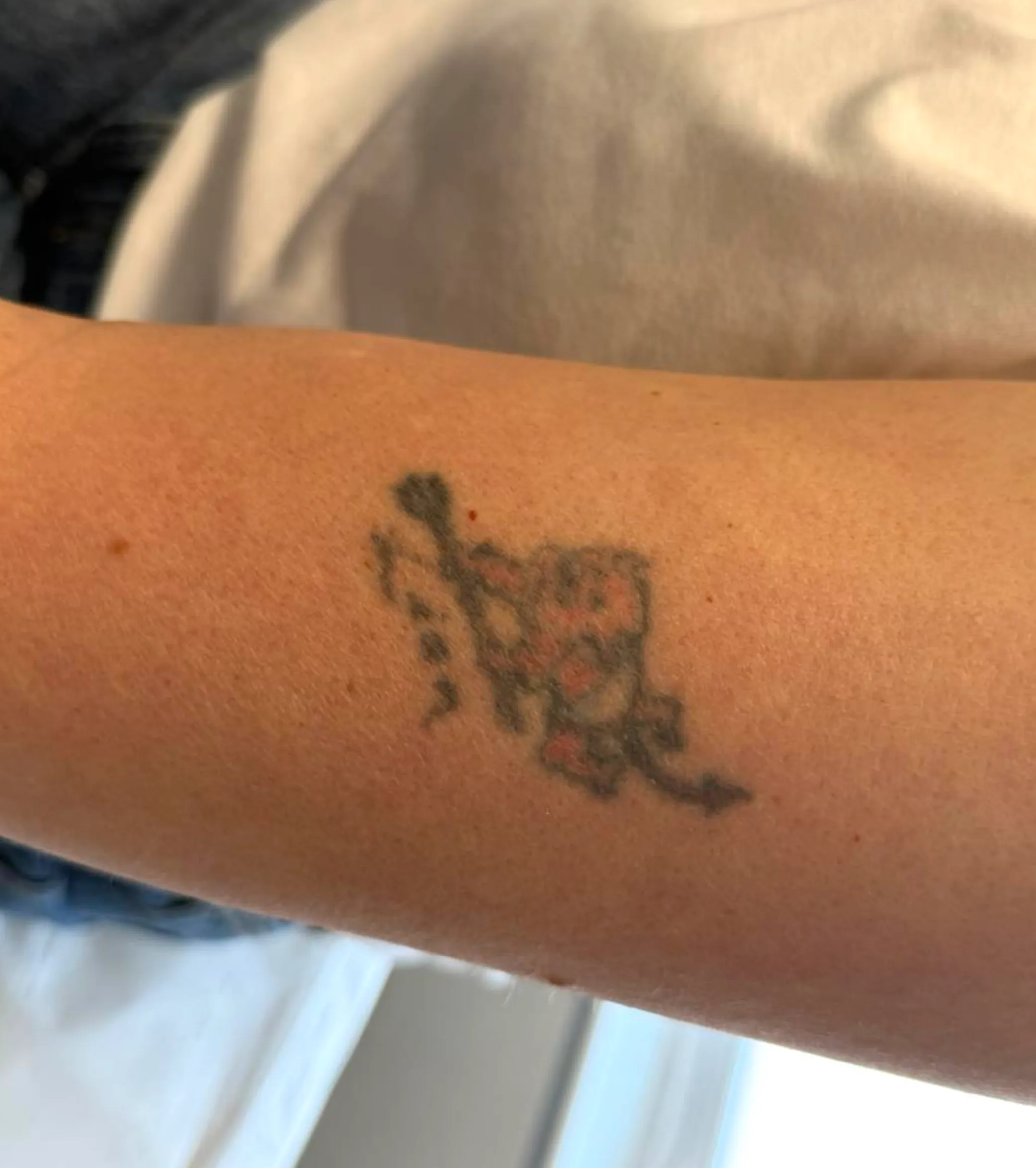
Living in Melbourne means dealing with weather that can go from rain to scorching sun in an hour.
- Summer: Use broad-spectrum SPF after healing to prevent fading and skin cancer.
- Winter: Lower humidity means more lotion or body oil to prevent peeling skin.
- Year-round: No swimming pools until fully healed — chlorine damages fresh pigment.
The Science Of Pigment Retention
Tattoo inks bond to skin cells in the dermis. During healing, your immune system tries to break some down, so gentle cleansing, moisturising and UV protection matter.
According to 2025 trend data, clients who followed aftercare exactly had 37% better pigment retention at 6 weeks compared to those who didn’t. If fading happens, corrective work or tattoo removal may be needed.
When Washing Becomes The Enemy
- Hot water weakens pigment bonds.
- Too much soap strips oils and slows healing.
- Rubbing instead of pat dry lifts scabs.
- Essential oils like grapefruit can cause allergic reactions.
Permanent Makeup Vs Body Tattoos
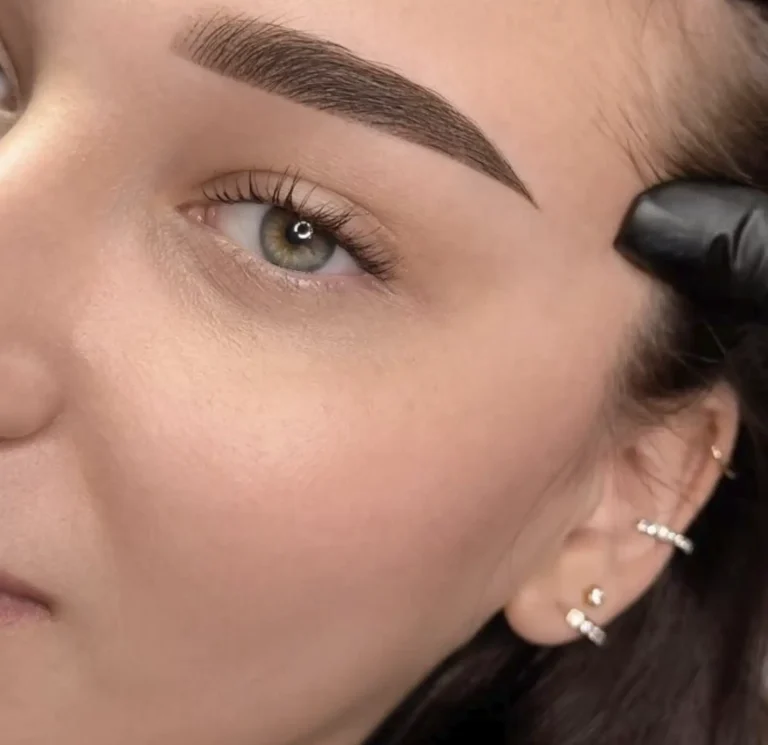
Permanent makeup like brows or lip blush uses lighter inks and finer needles — more sensitive to over-cleansing. For white ink tattoos or cosmetic work, avoid UV until healed. Saline tattoo removal can correct unwanted pigment change.
Healing Timeline And Washing Guidelines
| Healing Stage | What’s Happening | Washing Advice |
|---|---|---|
| Days 1–2 | Plasma weeping, swelling | Wash 2–3 times daily with antibacterial soap, pat dry, and apply healing cream |
| Days 3–7 | Light scabbing, tattoo peeling | Wash once daily, use lotion, no swimming |
| Days 8–14 | Flaking, pigment looks lighter | Gentle cleanse every second day, apply balm |
| Weeks 3–6 | Pigment resurfaces, colour evens | Normal cleanse, avoid chemical exfoliants |
| Month 2+ | Fully healed | SPF, vibrancy serum, water-based moisturiser |
Common Myths About Washing Tattoos
- “Don’t Wash, It Heals Better” — risks infection.
- “Hot Water Helps” — increases inflammation.
- “Soap Will Fade My Tattoo” — only the wrong soap will.
Real Client Stories
One Melbourne client used scented scrub 2 days after her session — result: patchy pigment. Another followed every step and had perfect retention, later returning for laser hair removals that avoided tattooed skin.
Long-Term Tattoo Care
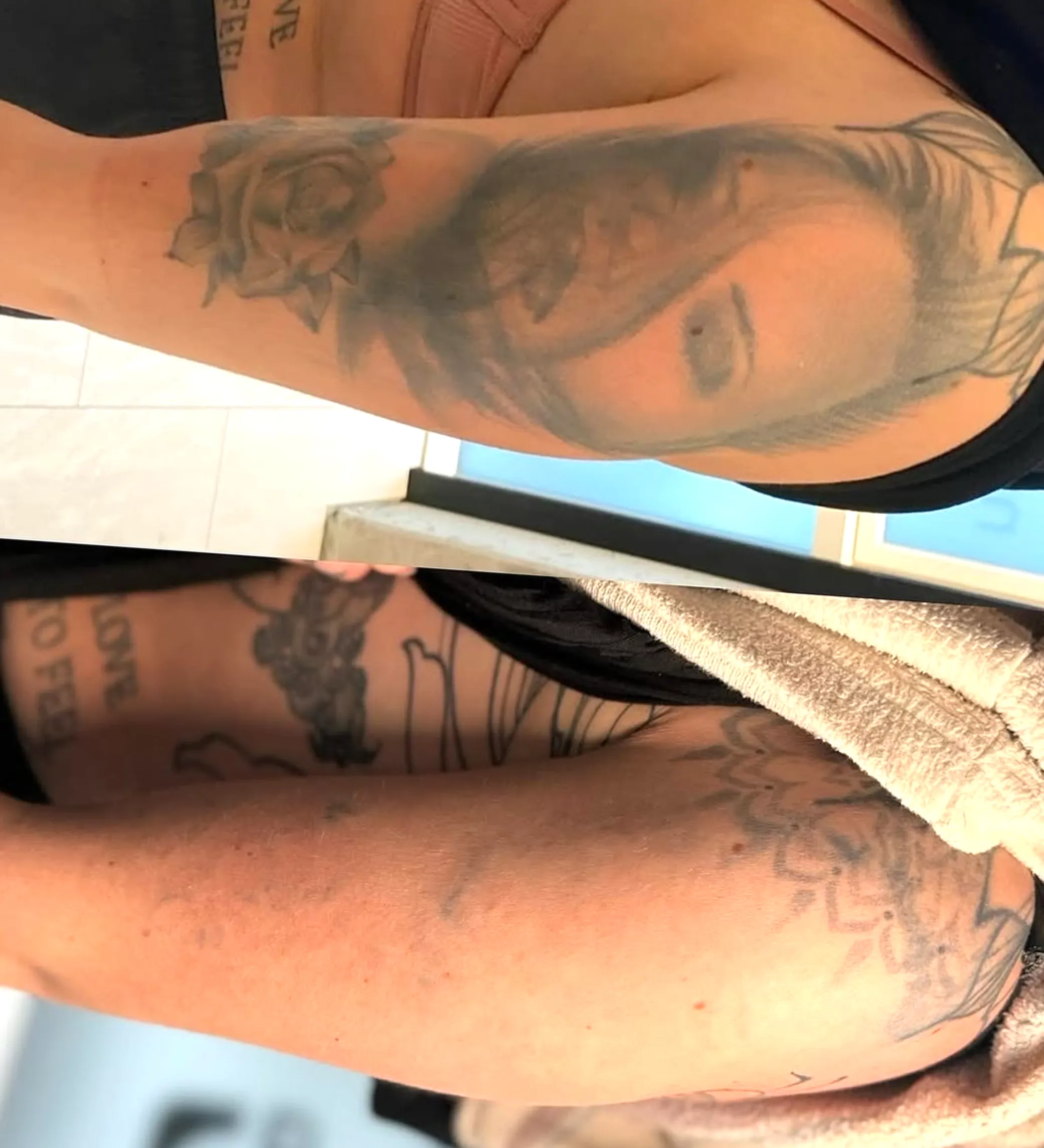
- Daily moisturiser
- Broad-spectrum SPF
- Avoid excessive sun exposure
- Use body oil for vibrancy
When To See A Medical Professional
- Signs of infection
- Allergic reaction to inks
- Severe reaction after products
- Concerns about hygiene-related infections
Final Reflection
Washing a tattoo won’t make it fade — if you do it gently, with the right products, and follow aftercare. The healing process is short compared to the years you’ll have your tattoo, so be patient, keep it clean, and protect it from UV.
FAQ
Can I wash my tattoo the same day I get it?
Yes, with antibacterial soap and cool water — then pat dry.
How long should I avoid swimming pools?
Until your tattoo healing is complete, usually 3–4 weeks.
What’s the best moisturiser for tattoo healing?
A water-based moisturising cream or hypoallergenic balm like Zensa Healing Cream.
Do UV rays fade tattoos quickly?
Yes, UV light breaks down pigment over time — always use broad-spectrum SPF.
Can washing fix a patchy tattoo?
No — patchiness comes from pigment loss, bad technique or skin conditions. You may need a touch-up or tattoo removal.